


 Africana55 Radio

This website uses cookies so that we can provide you with the best user experience possible. Cookie information is stored in your browser and performs functions such as recognising you when you return to our website and helping our team to understand which sections of the website you find most interesting and useful.
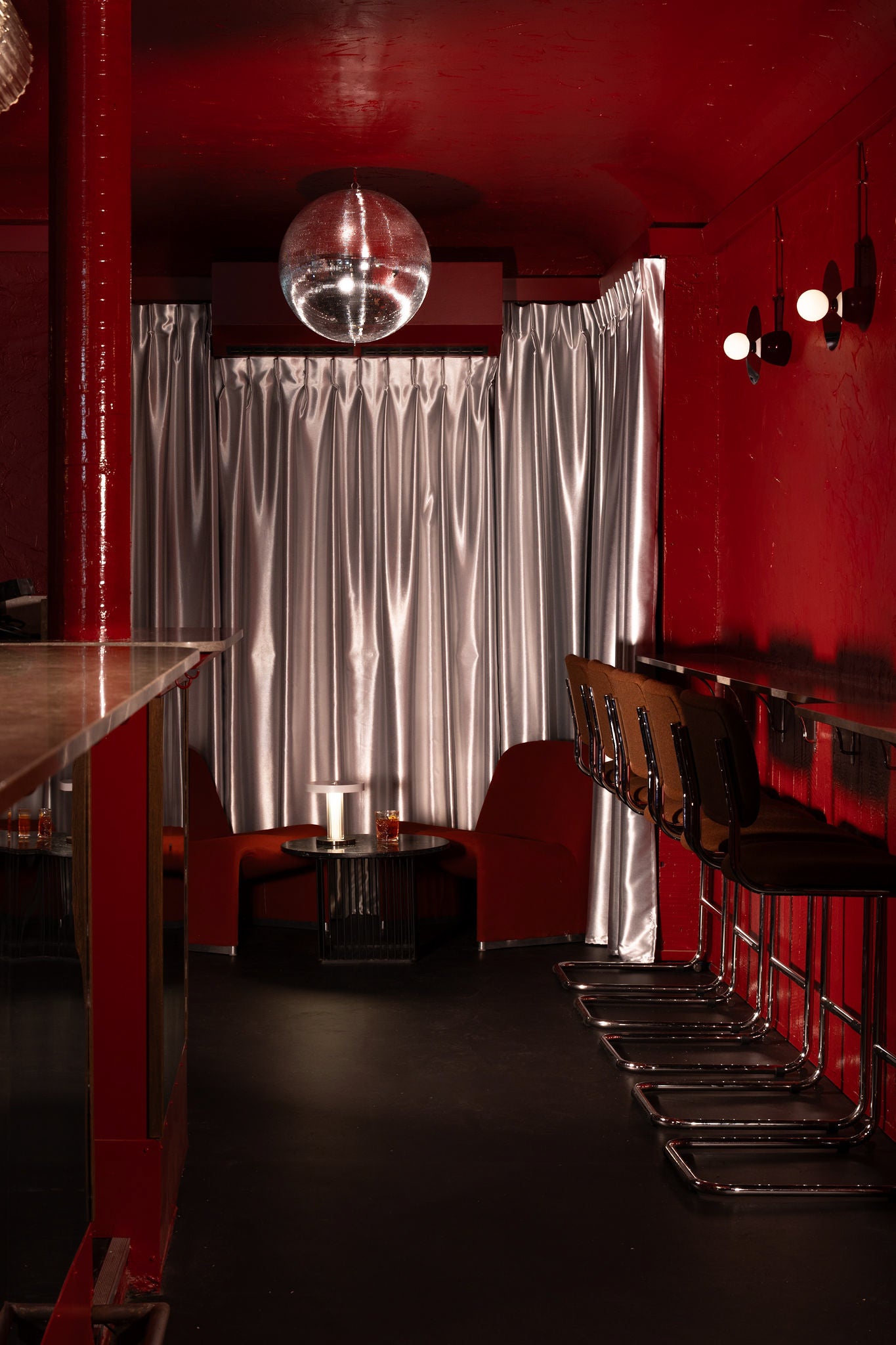
One minute you’re baking in a commuter quiche on the Northern line. The next you’re in Pigalle, Paris, drinking Hennessy cocktails at Chambre 01 bar. Dani the tarot reader is telling you to follow your heart to New York, and a pole dancer in Le Pigalle’s hotel lobby is serving as a stark reminder to start stretching.
The cultural whiplash unlocked by a Eurostar ride through the Channel Tunnel is a fondly familiar one. But this time the coveted St Pancras to Paris connection wasn’t the only moment I’d be spending on the tracks.
Free from the growing hassle of pre-flight formalities, a jet fuel crisis and the faff of repeatedly repacking your suitcase, Europe is entering a new era of international rail travel.
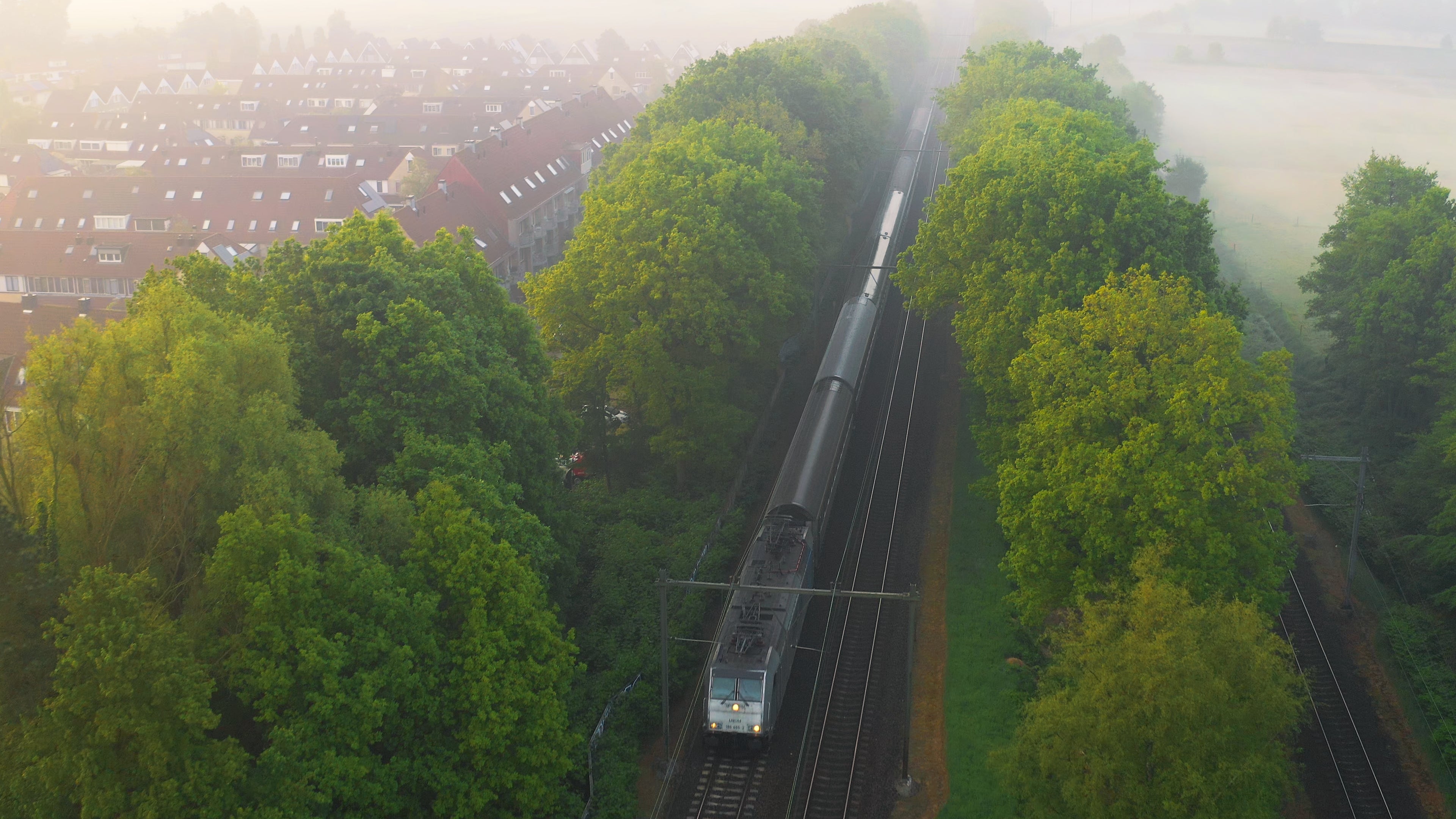
Nowhere is this more obvious than in the sleeper train renaissance across the continent. According to a report by French NGO Réseau Action Climat, night trains in France carried over one million passengers in 2024, a 26 per cent increase on the previous year.
It seems the sentiment of Infernal’s 2004 pop hit From Paris to Berlin lives on. Why only party in Paris when there are Berlin discos “to get in”, now only one direct train away?
After a nine-year hiatus, sleeper trains connecting the two European capitals were originally reinstated by Austrian state operator ÖBB in December 2023. However, the Nightjet service was once again abandoned due to a withdrawal of financial support from the French Ministry of Transport at the end of last year.
Just months later, the overnight rail corridor was revived in March by new operator European Sleeper. The new-ish interpretation of the rail journey sees trains leave Paris for a 770-mile journey to Berlin Hauptbahnhof via Aulnoye-Aymeries, Mons, Brussels, Liège and Hamburg thrice weekly.
So, back on the Gare du Nord platform, having been briefly love-bombed by boulangeries and florists in the French capital, the 6.03pm Tuesday train is arriving to take me to Berlin.
I’m holding the fanciest category of ticket. A Comfort Plus cabin in carriage 36 is all mine for this 17-hour ride. Still, my expectations are low for my first-ever sleeper train journey. I’m understandably dubious that the train interiors will live up to the standards of my Belmond British Pullman trundle through Kent last Christmas.
It’s a rocky start. Carriages are not arranged in numerical order and cause great confusion on the platform – disorder is a theme for finding your feet on “The Good Night Train”.
Read more: Sleeper train routes are expanding in Europe. Here’s why you should consider one
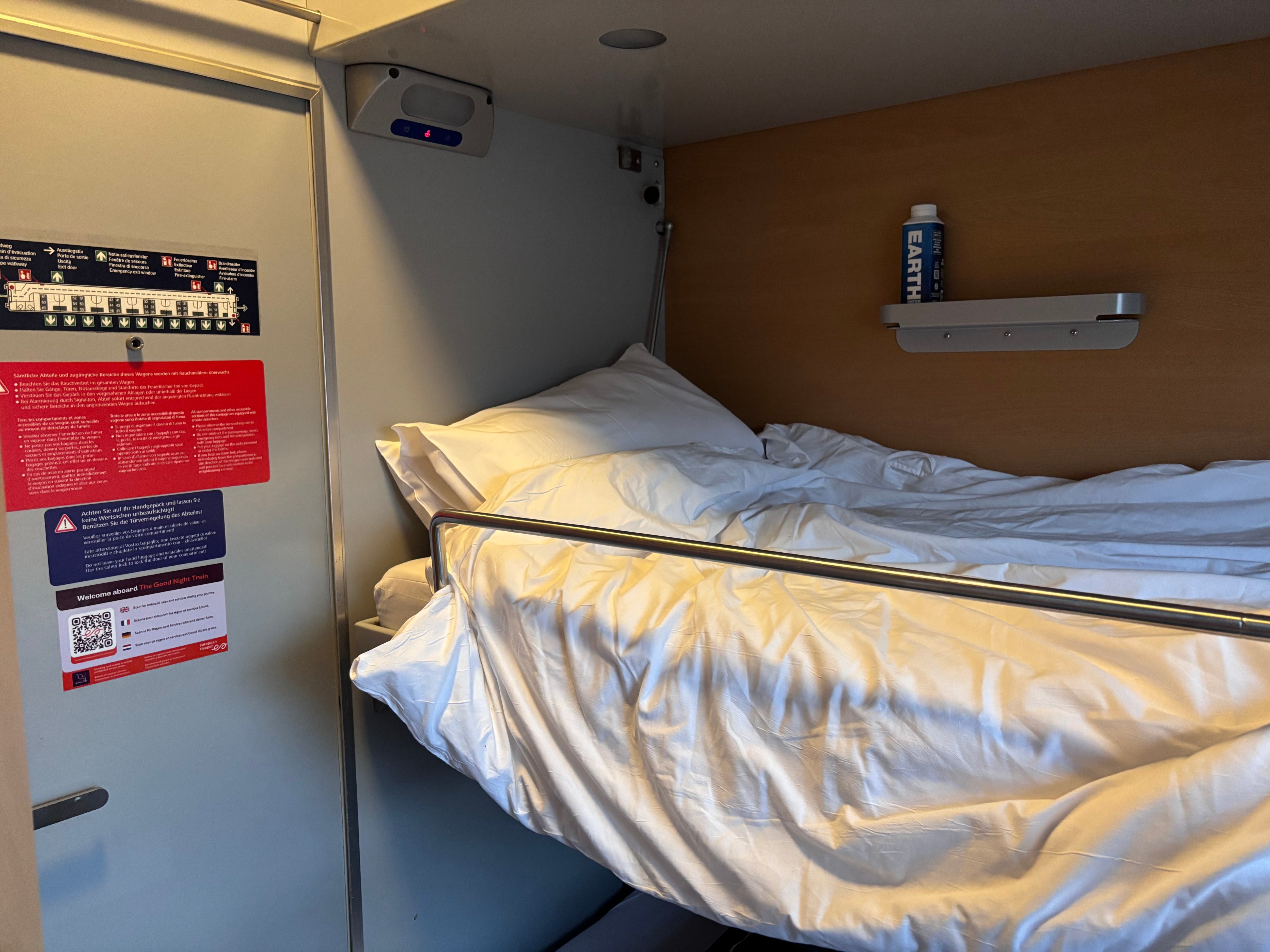
I finally board to find the little berth complete with two standard train seats, several bottles of mineral water and a glass-protected print of Gustav Klimt’s The Kiss.
On my left, there are three bunks at varying heights, each with a dim bedside lamp, and one shared power outlet under the window.
A large ladder cupboard houses duvets and pillows, and a small cabinet reveals a sink, mirror, a combined hand, hair and body shampoo and fresh towels. The tap has one setting – lukewarm – and arrives only as a dribble by the time I brush my teeth somewhere in Germany the next morning.
It was to be a chaotic chug to Berlin. I’m on board for about 20 minutes before I manage to lock myself out of my new room.
Eventually, an attendant welcomes me aboard and breaks me back in after checking my ticket, preferred bedtime, welcome drink and coffee order ahead of breakfast.
It’s then that Thomas, a Parisian engineer and route regular, pops his head out to inform me that this rendition of the Berlin-bound sleeper train is always “a bit haphazard”. Our carriage toilets are broken, the air conditioning is temperamental bordering on non-existent during that June heatwave, and he’s a bit tall for the top bunk.
Top Thomas tip: turn the lock to keep the door open before you go galavanting to find functioning loos.
My new French friend doesn’t want to crack open his Cristal Pils lager alone and quickly volunteers to hunt for a passenger with a “big backpack” – of course the type to carry a Swiss Army knife – to solve a serious wine corkscrew problem, eventually securing a spork-slash-corkscrew contraption from the German couple next door.
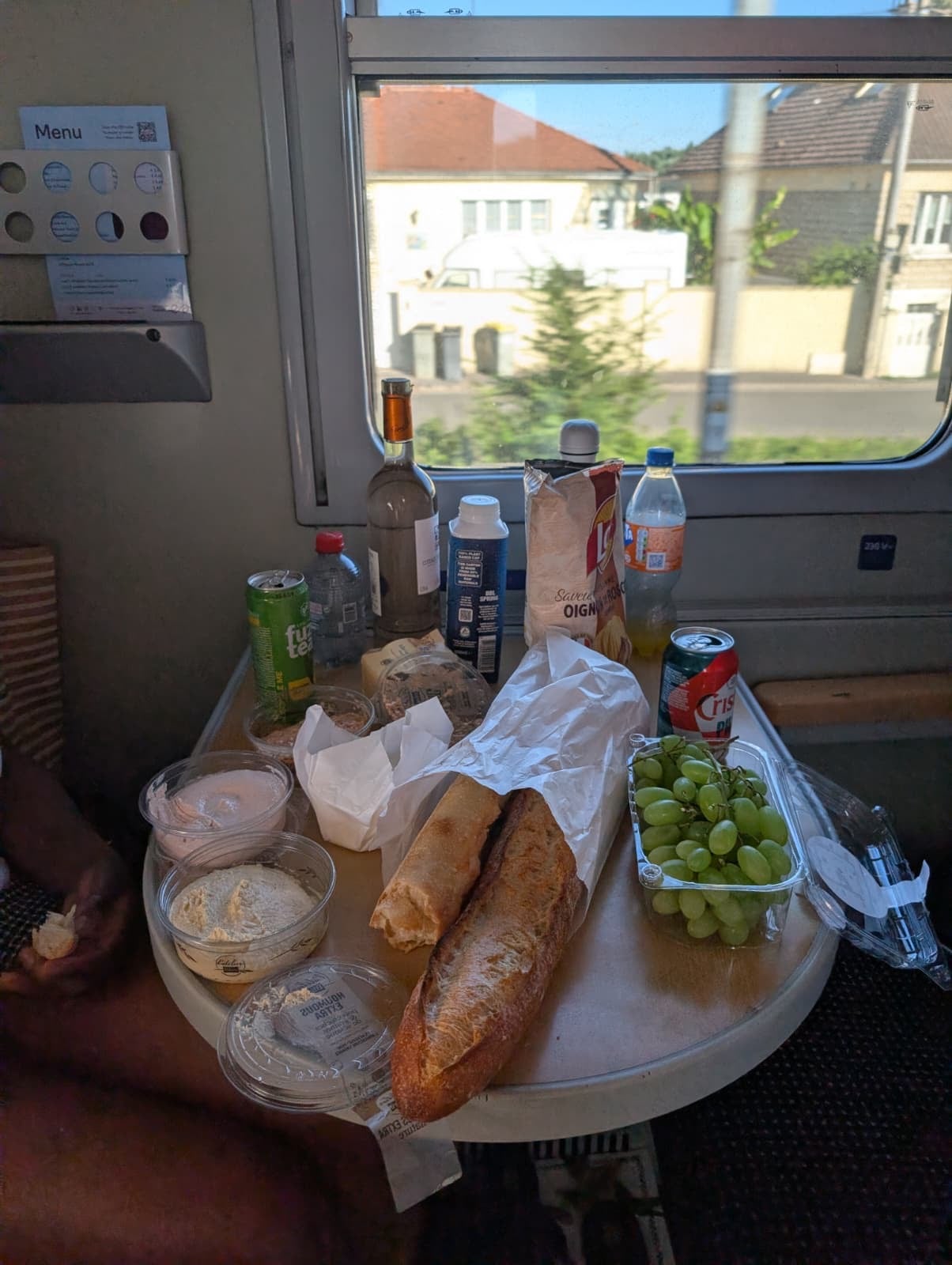
Pale rosé successfully divided out into paper coffee cups; our picnic can begin.
The Good Night Train has no dedicated dining cart. A laminated cinema-style menu of snacks offers only Pringles, nachos, noodles and Knorr mac and cheese, with Cup a Soup, orange juice and sauvignon blanc on the drinks list of items available to order until 11.30pm.
This we’d been warned of.
Armed with a combination of Monoprix supermarket snacks bought before boarding – a few baguettes, grapes, hummus and the sort of soft cheese that’s only great in France – it’s a train charcuterie board for dinner.
With seriously poor wifi, there’s little for Thomas to do but politely endure an introduction to the wonders of Michael Bublé from four rambling women using wooden cutlery to fling crumbs and condiments over my cabin floor.
Read more: Why Berlin is still Europe’s chaotic capital of liberty
By the time my carriage mates turn in for the night, I’ve mastered how to open the window and all the other unspoken train Ts & Cs. I naturally take the middle bunk to embrace the ladder experience I was denied on every family Ikea trip as a child.
I probably should have closed my blinds to avoid a stare-off with travellers on the platform at Brussels Midi in my pyjamas, but under the thick duvet of my surprisingly comfortable fold-out bed, I hadn’t been able to resist watching the dregs of sunset as I rolled through the Belgian countryside.
Any chance of consistent sleep has long been thrown to the tracks. The combination of Vodafone “welcome to” texts pinging in thick and fast as we cross borders, air con cutting out and my rattling open window slam the brakes on any prolonged attempt to drift off.
.jpeg)
Around 7.30am I’m rolled awake for the final time somewhere beyond the German border, surprisingly sprightly for someone who’s barely slept, with plans that night to attend a Celeste concert, having met her team over tarot in Paris.
Yes. This must be what Americans mean when they say they love “Europe”.
Tucking into my hand-delivered boxed breakfast – a latte, brioche roll, strawberry yoghurt, granola, jam, strong soft cheese, Nutella, crackerbread and a boxed orange juice – I realise that for all its kinks, I’d happily board The European Sleeper train to do this 17-hour journey again. Better still, I’d recommend it to friends.
After bidding au revoir to my cabin, I’m as whiplashed by the speed of the taxi ride to the Château Royal hotel as I am by the language switch from French to German.
Although I’m not convinced by the reassurance from our driver as we speed over Berlin’s tramlines, even tired and tripping over my tri-lingual thank yous, I’m confident that “alles gut” for the future of The Good Night Train.
Natalie travelled as a guest of Le Pigelle and Château Royal.
How to do it
One-way tickets for the European Sleeper night train from Paris to Berlin start from €79.99 (£68) per person in a shared Classic compartment. Prices vary depending on the route and travel date, with tickets in the Comfort Plus class category from €139 (£118) per bed for triple occupancy.
Where to stay
Le Pigalle, Paris
Rooms at Le Pigalle, Paris, start from £135, not including breakfast.
Château Royal, Berlin
Rooms at Château Royal, Berlin, start at £199 per night, on a B&B basis.
Read more: Is Paris still the city of love?