


 Africana55 Radio

This website uses cookies so that we can provide you with the best user experience possible. Cookie information is stored in your browser and performs functions such as recognising you when you return to our website and helping our team to understand which sections of the website you find most interesting and useful.
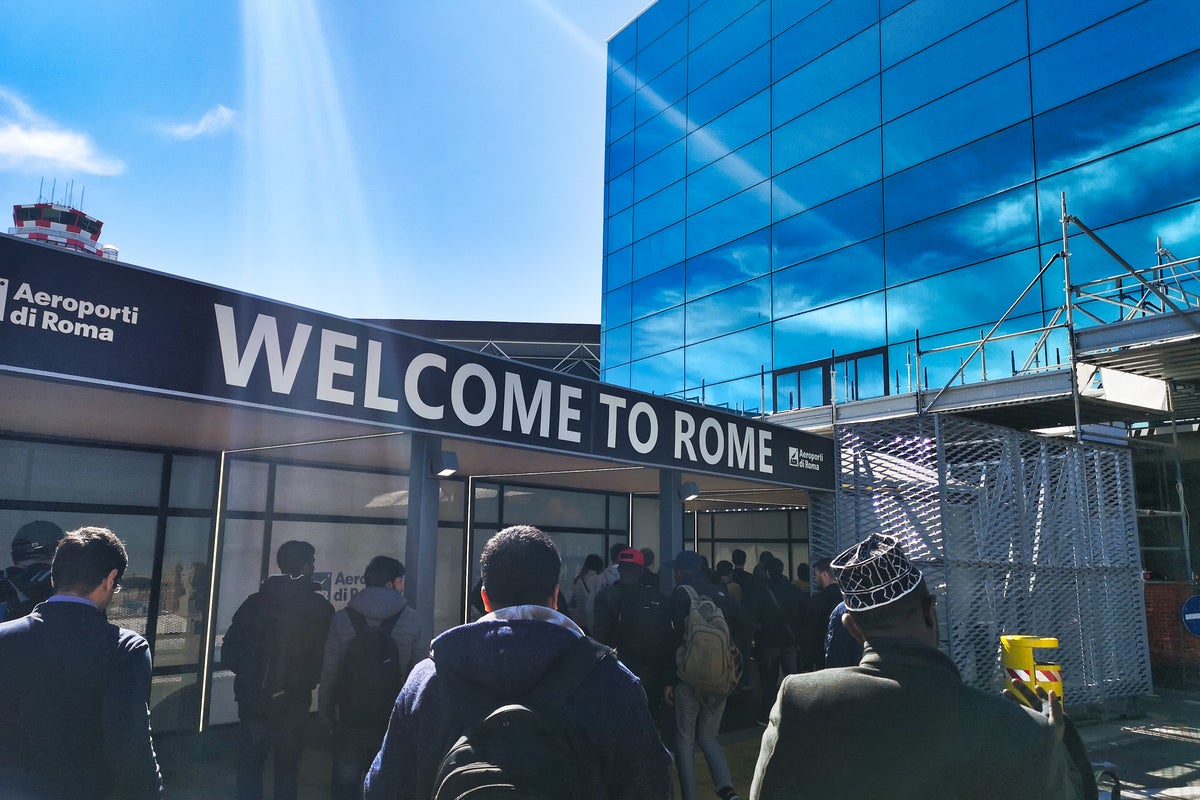
The head of one of Europe’s busiest airports has blamed the long queues forming at border control on the way the EU entry/exit system has been designed, rather than how airports have rolled it out.
Passengers at a number of Europe’s airports have reported waiting in queues lasting up to five hours at border control due to the new entry-exit system (EES), which requires visitors from third-nation countries, including the UK, to provide fingerprints and photographs upon first entry into the Schengen Area.
Travel associations across the industry have called on the European Commission to allow member states to take control of the system, giving them the power to temporarily suspend EES during the peak summer months.
Marco Troncone, chief executive of Aeroporti di Roma, which operates Rome Fiumicino airport, said that the time to process passengers at the border had doubled since the system was rolled out in April.
“We managed to optimise the process on our end bringing this to 90 seconds [down from two minutes] but it is still too high. This is of course not compatible with 50,000-60,000 passengers every day,” Mr Troncone said, speaking to The Times.
The airport boss pinpointed the blame for long queues on how EES operates, rather than how it has been rolled out at border control.
“The problem is related to the way this process has been designed. It’s not a matter of implementation,” he told the publication.
“The issue lies in the architecture of the process itself. The current EES workflow introduces additional steps that inevitably increase processing times and, at peak traffic, those extra seconds quickly translate into significant queues.”
EES works by collecting biometric data from non-EU nationals at self-service kiosks on arrival at Schengen Area airports, as well as asking several questions about their visit.
On subsequent visits to the Schengen area, travellers need to register their presence, but should not need to provide further biometric details for the three years the digital record is valid (or until their passport expires).
However, the delineation of these two groups has not been made clear at some airports, causing lengthy queues at border control.
Mr Troncone claimed that the operational design of EES was developed with “limited input from airport operators, despite the fact that airports are the ones managing passenger flows every day”.
“In our view, the process should have been designed from the outset around the operational reality of Europe’s largest hubs, not only around the regulatory requirements,” he added.
The Independent has contacted the European Commission for comment.
Read more: Tourism group says EU entry-exit system issues could ‘significantly deter demand’ for Europe