


 Africana55 Radio


This website uses cookies so that we can provide you with the best user experience possible. Cookie information is stored in your browser and performs functions such as recognising you when you return to our website and helping our team to understand which sections of the website you find most interesting and useful.

Want to bookmark your favourite articles and stories to read or reference later? Start your Independent Membership today.
Already a member? Log in
Flight attendants are sharing the crucial first steps they take whenever they enter a new hotel room.
Given their profession, flight attendants are constantly spending the night in hotels in different countries. Naturally, that can create a sense of anxiety and result in more thorough safety checks.
The flight attendant union — the Association of Flight Attendants-CWA — has carefully laid out a checklist that should be performed upon entry to each new hotel room to ensure your safety. To the union, layover safety is just as important as in-flight safety.
Dubbed by some as the “hotel room autopsy,” the checklist is thorough, but takes just about 90 seconds and can benefit most travelers.
As former cabin crew members who run the site CabinCrew24 wrote about the checklist, “This is not a nervous habit. It comes from years of sleeping in strange rooms, in different countries, under different fire rules and different levels of hotel security.”
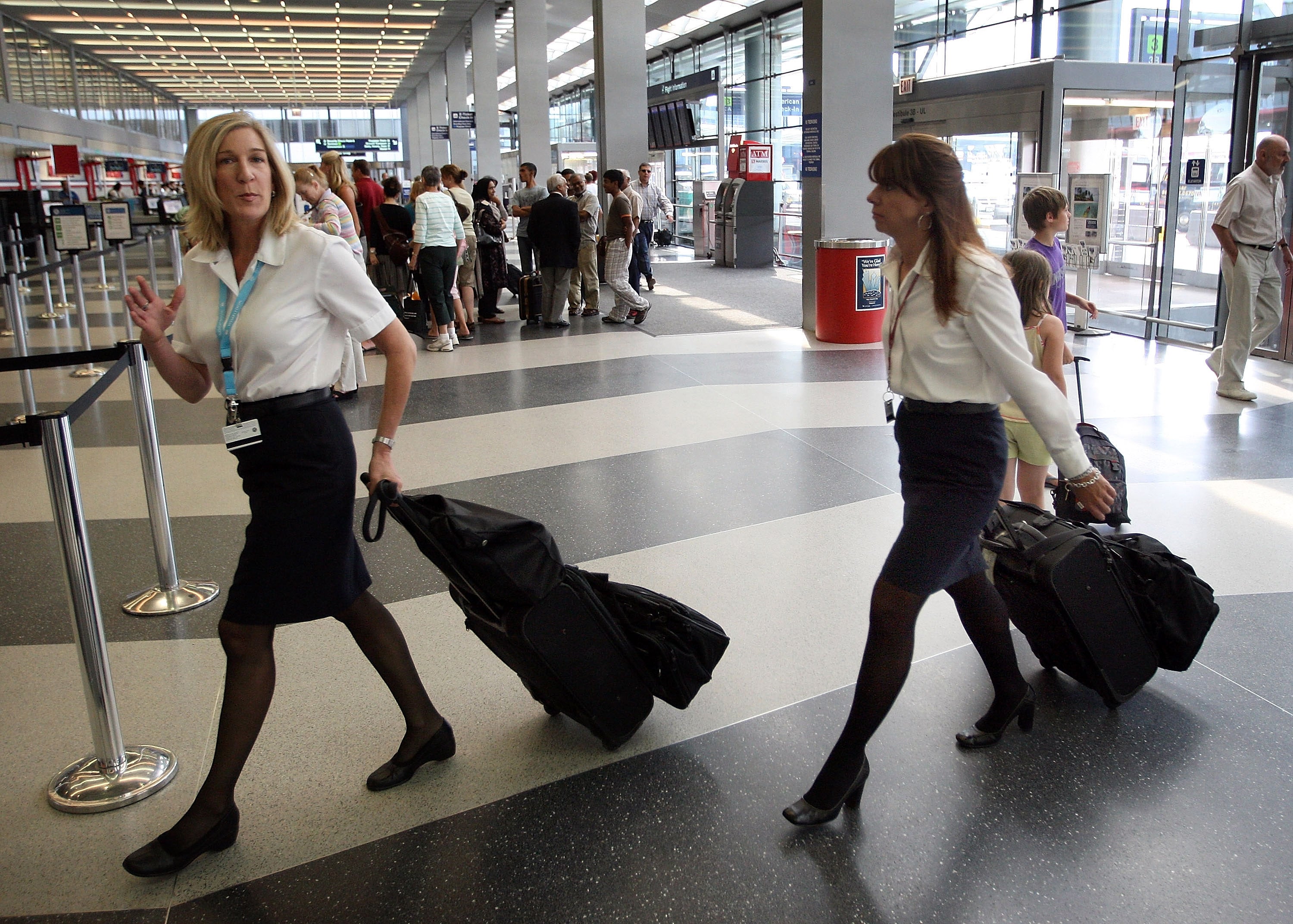
For starters, flight attendants are encouraged to check their hotel room with either a fellow crew member or a member of the hotel’s security staff.
This check should be done with a suitcase propping open the door and cover the bathroom, closets, underneath beds, and behind drapes.
Next, check that the phone works. Make sure the phone connects to 911 or the local emergency number.
The union then recommends flight attendants take note of where the fire exits are located, how many there are, and whether re-entry is possible on each floor.
Then, when those checks have all been done, it’s recommended to test door and window locks. The same applies to any porch or patio doors. When safely inside a hotel room, all available locks should be utilized, which is in alignment with advice from the U.S. Department of State for all travelers.
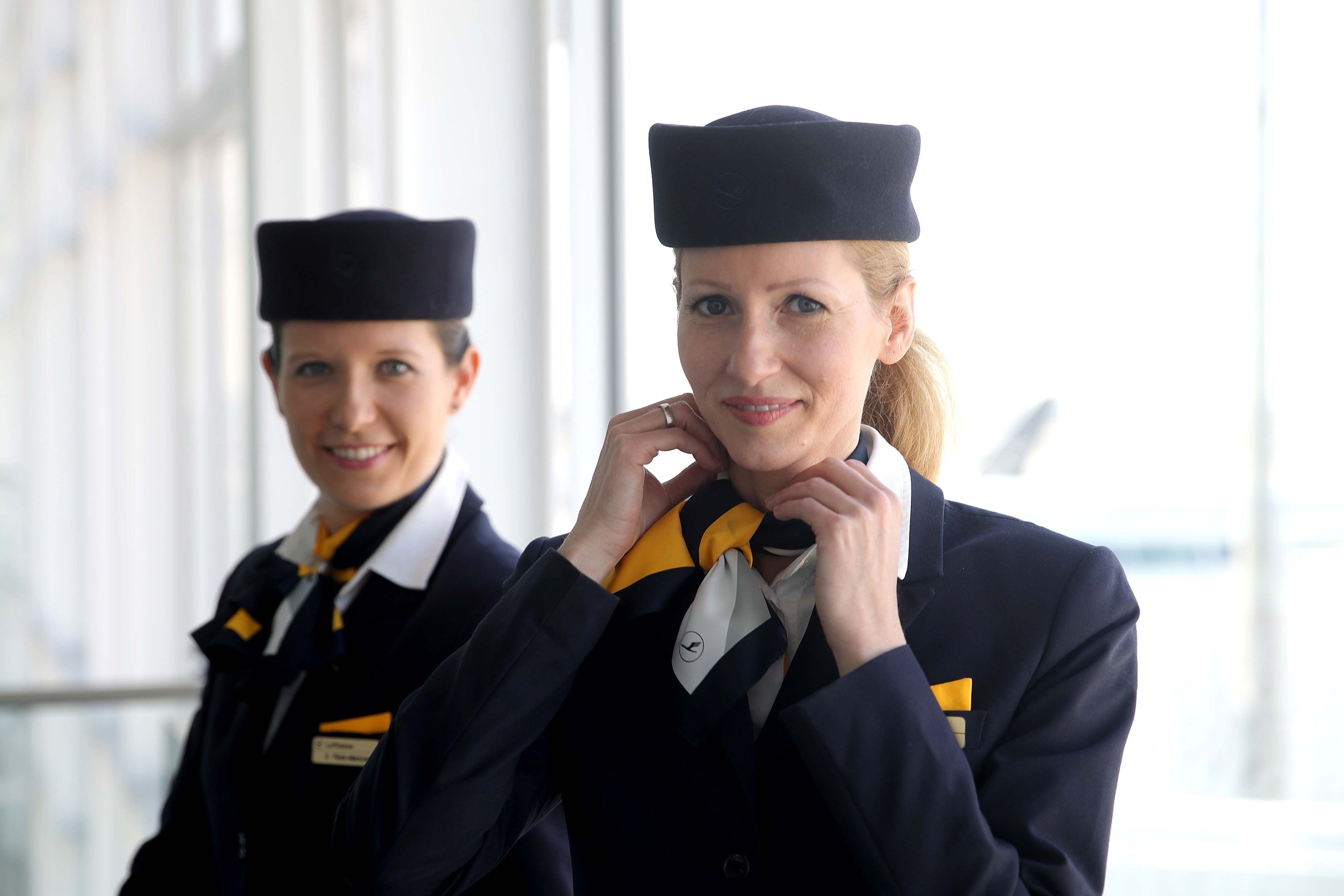
Some flight attendants even recommend traveling with a portable door alarm that can be placed at the base of a door. If the door is opened in the night, an alarm sounds, waking up anyone inside and alerting them to a potential intruder.
Finally, a room key and flashlight should be placed on the nightstand in case of emergency.
Beyond those six steps, the flight attendant union recommends several other safety measures:
- Keep personal luggage secured at all times.
- Review hotel emergency procedures in case of earthquakes and tornadoes.
- Verify the identity of anyone who knocks on the hotel room door before allowing entry.