


 Africana55 Radio

This website uses cookies so that we can provide you with the best user experience possible. Cookie information is stored in your browser and performs functions such as recognising you when you return to our website and helping our team to understand which sections of the website you find most interesting and useful.
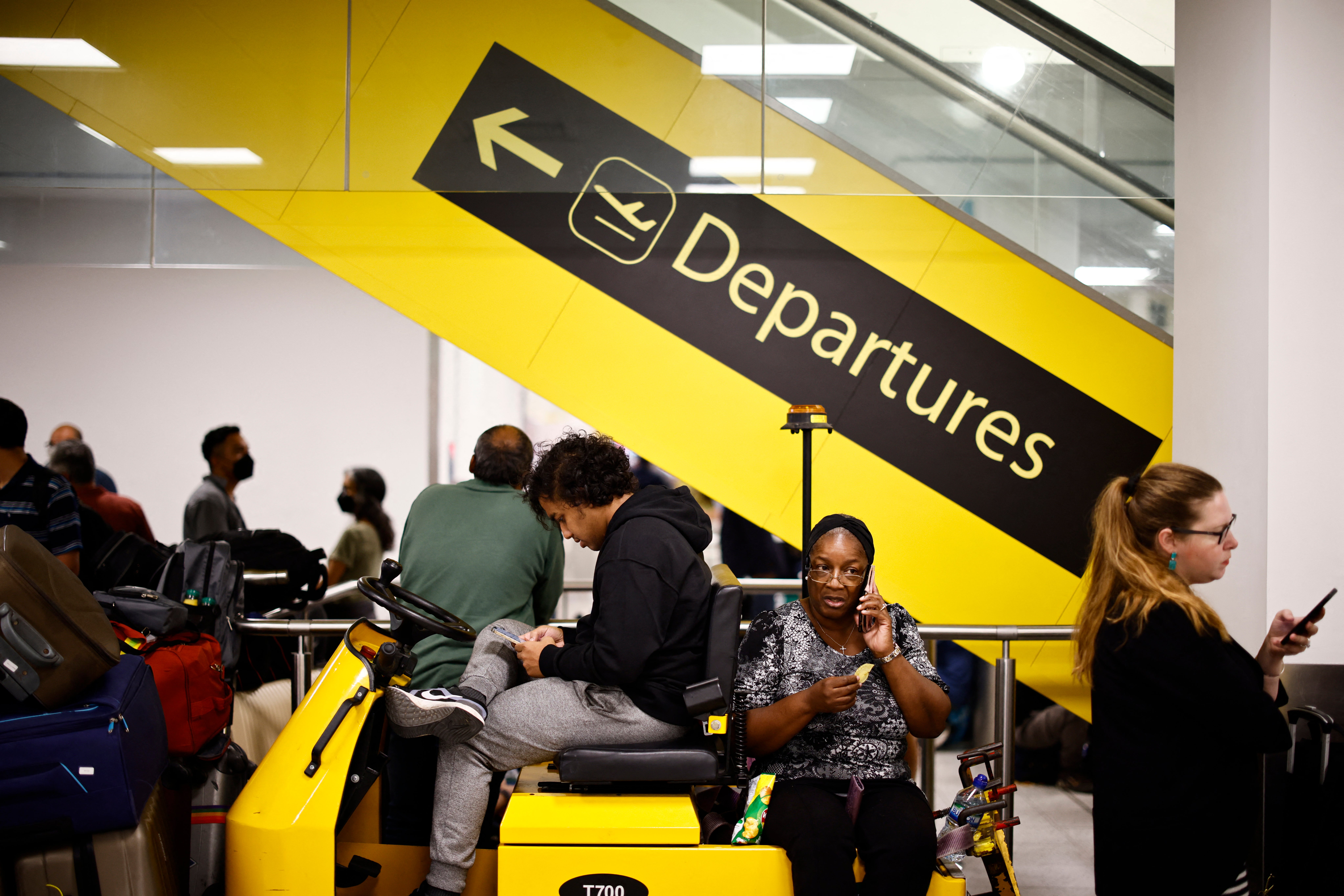
Hundreds of flights in to and out of London’s Gatwick and Heathrow were delayed on Saturday as thunderstorms hit the UK.
A total of 484 inbound and outbound flights were delayed across Gatwick and Heathrow airports by the evening, according to the FlightAware tracker.
Heathrow had 42 per cent of its flights delayed and Gatwick 50 per cent, it said.
NATS, the UK's air traffic control service, said disruption could continue overnight into Sunday.
A NATS spokesperson told The Independent: “Severe thunderstorms across the South East of England and Europe continue to impact flights, and this is expected to continue for the remainder of today and overnight.
“To ensure the safety of the travelling public, aircraft need to avoid affected areas and be spaced further apart, which limits the number of flights that can operate safely.
“We understand disruption is frustrating, but we’re working closely with airlines and airports to reduce disruption as much as possible. Passengers should continue to contact their airline for the latest information on their flight.”
Gatwick and Heathrow advised passengers to check the status of their flights with airlines before travelling, the BBC reported.
The disruption comes as an amber warning for extreme heat has been extended but the record-breaking hot spell is coming to a close.
The warning covering the East and South East now runs until 9am on Sunday.
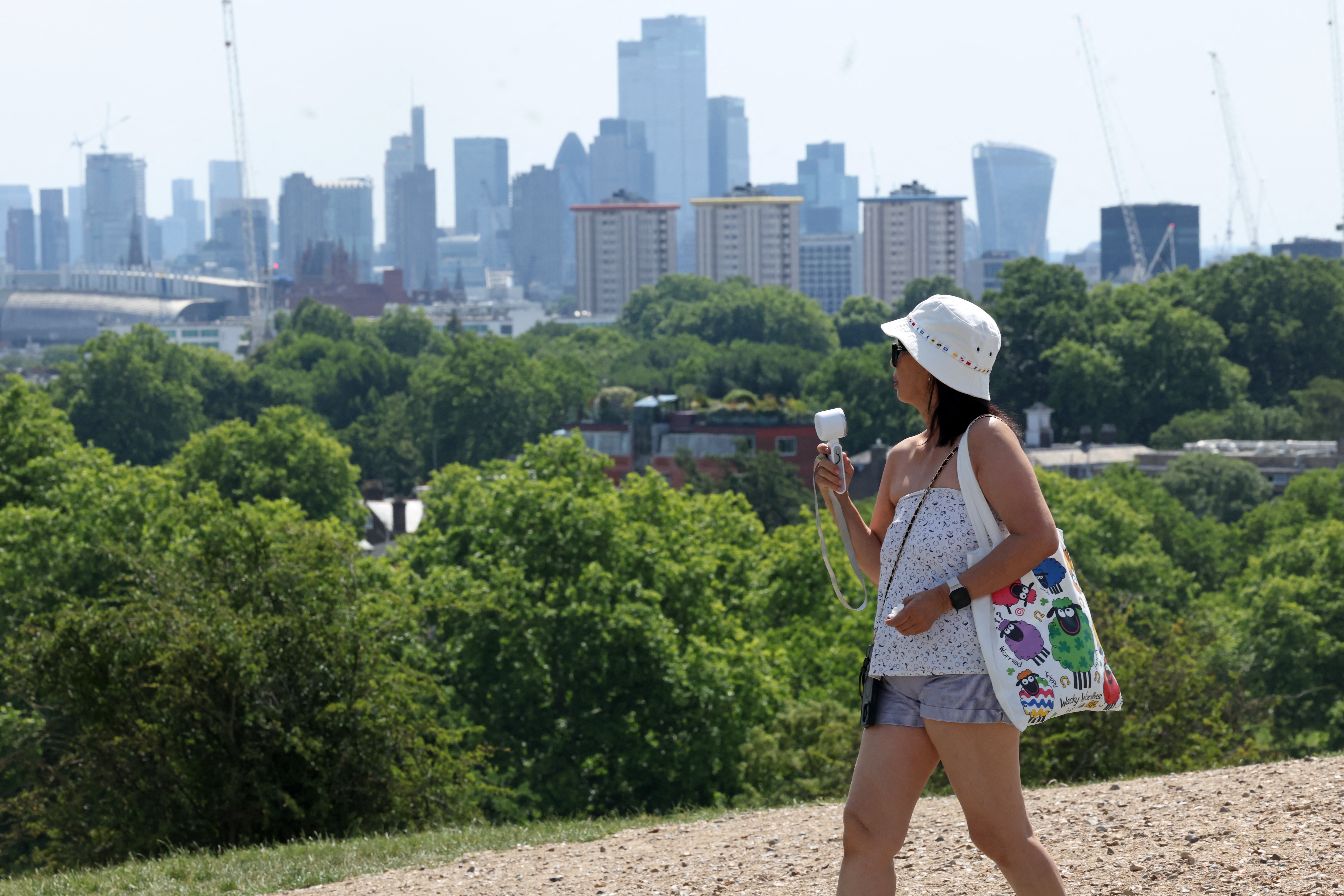
Friday was confirmed by the Met Office as the UK’s hottest June day on record, with a provisional temperature of 37.3C recorded in Santon Downham, Suffolk, surpassing the high of 36.7C recorded in Merryfield, Somerset, on Thursday.
These smashed the long-standing record for June heat, which dates back to the summer of 1976, by more than 1C, which is significant given such records were usually broken only by a fraction of a degree in the past.
Scientists warned that the heatwave would have been virtually impossible 50 years ago, with human-driven climate change fuelling more intense and frequent extreme heat events.
The Met Office said the third consecutive day of June’s record-breaking temperatures came as parts of the UK were transitioning to more of a westerly influence, bringing the risk of thunderstorms.
Thundery showers with gusty winds, lightning and hail are now forecast to move into the South East on Saturday evening.