Image copyrightGetty ImagesImage captionMyrtle Beach, South Carolina, is one of the seaside towns hit by floods
Hurricane Isaias has blasted ashore in North Carolina, battering coastal areas with heavy rains and winds of up to 85mph (140km/h).
It made landfall near the border with South Carolina at 23:10 EDT (03:10 GMT Tuesday), causing flooding and leaving thousands of homes without power.
The National Hurricane Center (NHC) warned of "the danger of life-threatening storm surge".
The storm is now headed towards Virginia, New Jersey and New York.
Isaias - the ninth named storm of the year - was downgraded to a tropical storm after hitting islands in the Caribbean last week, but was recategorised as a category-one hurricane as it approached the Carolinas on Monday.
The NHC says it is now moving quickly up the eastern seaboard.
North Carolina Governor Roy Cooper, who on Friday declared a state of emergency, urged residents to be on the alert.
"North Carolinians have had to dig deep in recent months to tap into our strength and resilience during the pandemic," he said on Monday.
"But with this storm on the way, we have to dig a little deeper. Let's keep each other safe from the wind and water as well as from the virus."
Mr Cooper said the state was equipped to open storm shelters where people could socially distance.
Isaias was later downgraded to a tropical storm. However, further north, New York City is preparing for storm surges.
State officials in regions preparing for hurricanes this season have also been grappling with opening shelters that comply with social distancing regulations.
Image copyrightEPAImage captionMany are without power in Puerto Rico after Isaias
Over the weekend the storm churned past Florida.
In the Dominican Republican and Puerto Rico, Isaias killed at least two people. It uprooted trees, destroyed crops and homes and caused flooding and landslides.
Facing a natural disaster in a pandemic
US disaster agencies have updated preparedness and evacuation guidance in light of Covid-19.
The Centers for Disease Control recommends families add Covid-19 items to a disaster "go kit" that can be taken in an emergency situation:
Hand sanitiser
Soap (liquid or bar)
Disinfectant wipes
At least two face coverings per person (though masks should not be worn by those under two years old or those who are unconscious)
Here are some key guidelines for protecting yourself against Covid-19 if you must evacuate to a shelter:
Wash your hands often
Keep 6ft of distance from anyone not among your household
If possible, wear a face covering and wash it regularly
Avoid sharing food and drinks
Frequently disinfect your area in the shelter (including toys and electronics)
This website uses cookies so that we can provide you with the best user experience possible. Cookie information is stored in your browser and performs functions such as recognising you when you return to our website and helping our team to understand which sections of the website you find most interesting and useful.
Strictly Necessary Cookies
Strictly Necessary Cookie should be enabled at all times so that we can save your preferences for cookie settings.
If you disable this cookie, we will not be able to save your preferences. This means that every time you visit this website you will need to enable or disable cookies again.



 Africana55 Radio
 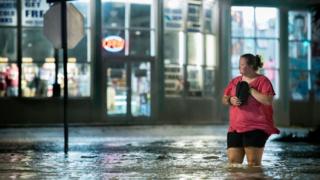 Image copyright Getty Images