


 Africana55 Radio

This website uses cookies so that we can provide you with the best user experience possible. Cookie information is stored in your browser and performs functions such as recognising you when you return to our website and helping our team to understand which sections of the website you find most interesting and useful.
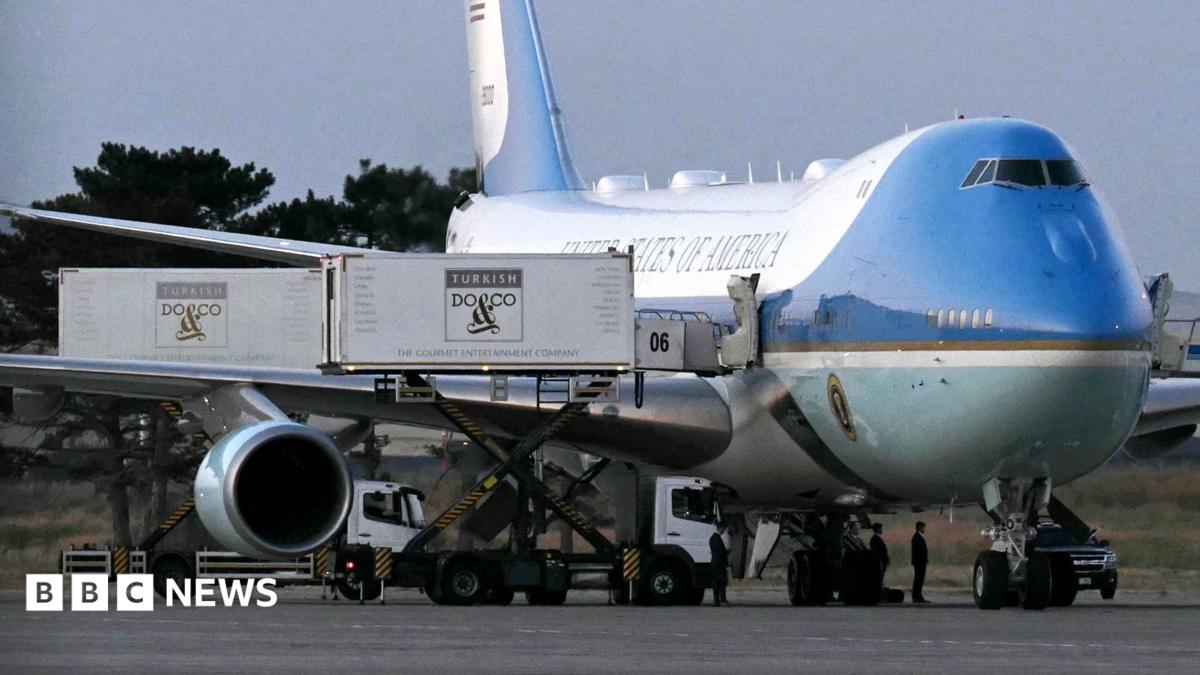
More elaborate operations often take place during high-risk trips abroad, and in those cases reporters on Air Force One are typically briefed and asked not to report the movements in real-time.
In March 2000, for example, then-President Bill Clinton flew to the Pakistani capital of Islamabad on an unmarked executive jet that landed after a decoy jet with the livery of Air Force One.
Ahead of the trip, the White House informed USA Today reporter Susan Page - then the head of the White House Correspondent's Association - of the security arrangements.
"They told me about the extraordinary security procedures being taken because of the dangers flying there, including the use of the decoy plane," Page revealed for the first time this week.
"Of course, the dangers threatened the journalists covering the trip as well as President Clinton," she said in an interview with the Washington Post.
It is also not currently clear what, if any, danger the occupants of the plane carrying Rubio, Bessent, other staff and the White House press pool were in during the Ankara trip.
The White House Correspondent's Association has not publicly commented on the incident. But association president Jacqui Heinrich said in an internal memo to the press corps that she met with Trump administration officials on the matter.
She said she "advocated strongly for the importance of maintaining independent press coverage of the president and an accurate historical record of his movements".
Heinrich asked the White House to work with the association on a protocol for handling extraordinary security circumstances in future.