


 Africana55 Radio

This website uses cookies so that we can provide you with the best user experience possible. Cookie information is stored in your browser and performs functions such as recognising you when you return to our website and helping our team to understand which sections of the website you find most interesting and useful.

Want to bookmark your favourite articles and stories to read or reference later? Start your Independent Membership today.
Already a member? Log in
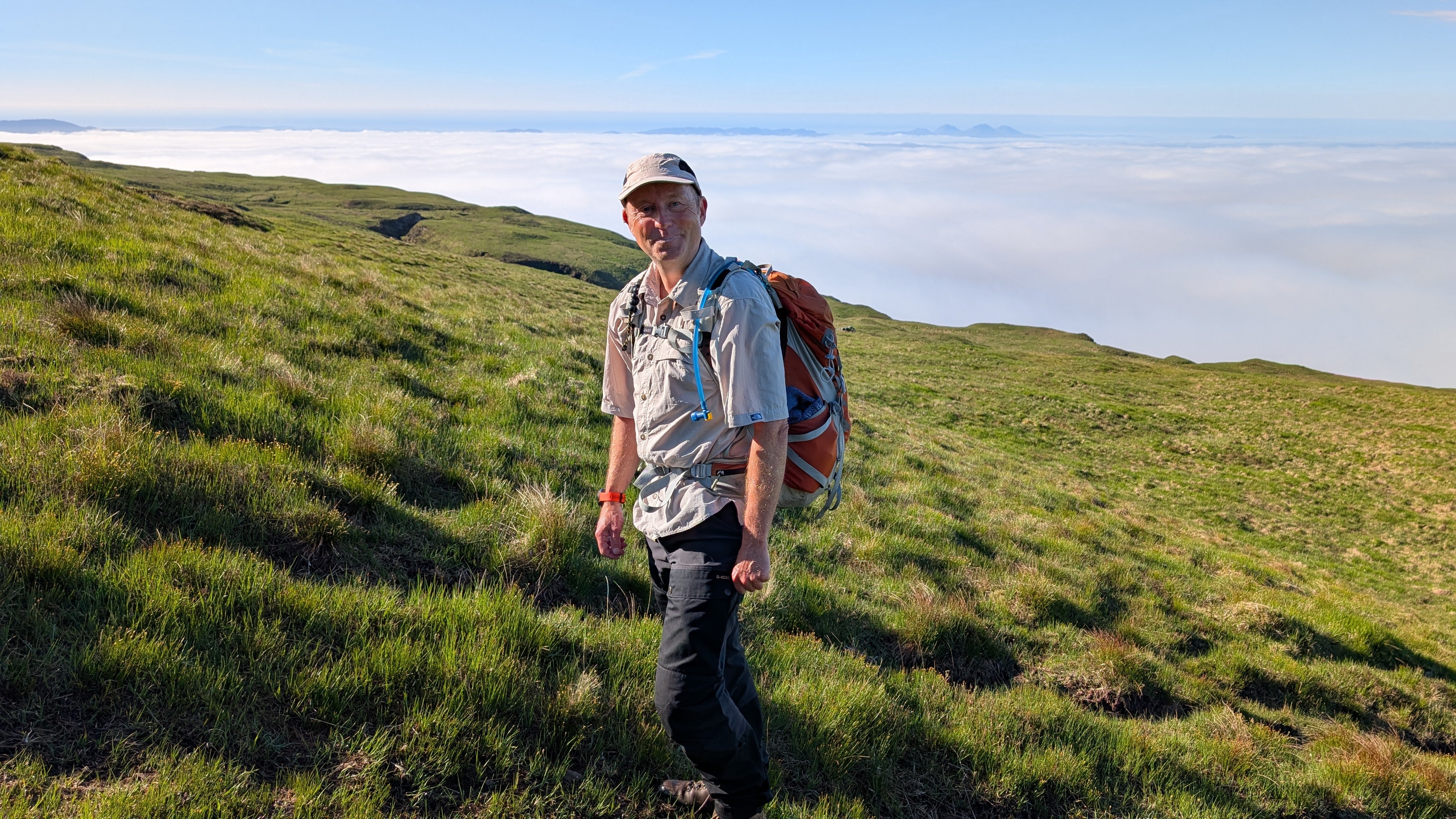
I lower myself into the natural rock infinity pool, the water sparkling in the intense sunlight, and feel the heat instantly leave my body. Carefully, I swim over to the edge and peer down the sheer-drop waterfall to discover a rainbow dancing in its mist, inches from my face. I’ve been hiking with my guide Tony McLean for three hours in the rugged south of Mull, watching the Paps of Jura peek out over a rare cloud inversion. We’ve seen a white-tailed sea eagle, a lizard, a frog and more deer than I can count – but not a single other human.
This is one of countless walks on the Isle of Mull that you won’t find in guidebooks. There are no trail markers. There isn’t even a trail, but that’s one of many reasons McLean set up his guiding business, Walk Mull, when he moved here from London 15 years ago.
“When I first moved up, everyone said, ‘Mull is not a hiking destination. No one comes to Mull to hike – they come here for wildlife,’” says Mr McLean.
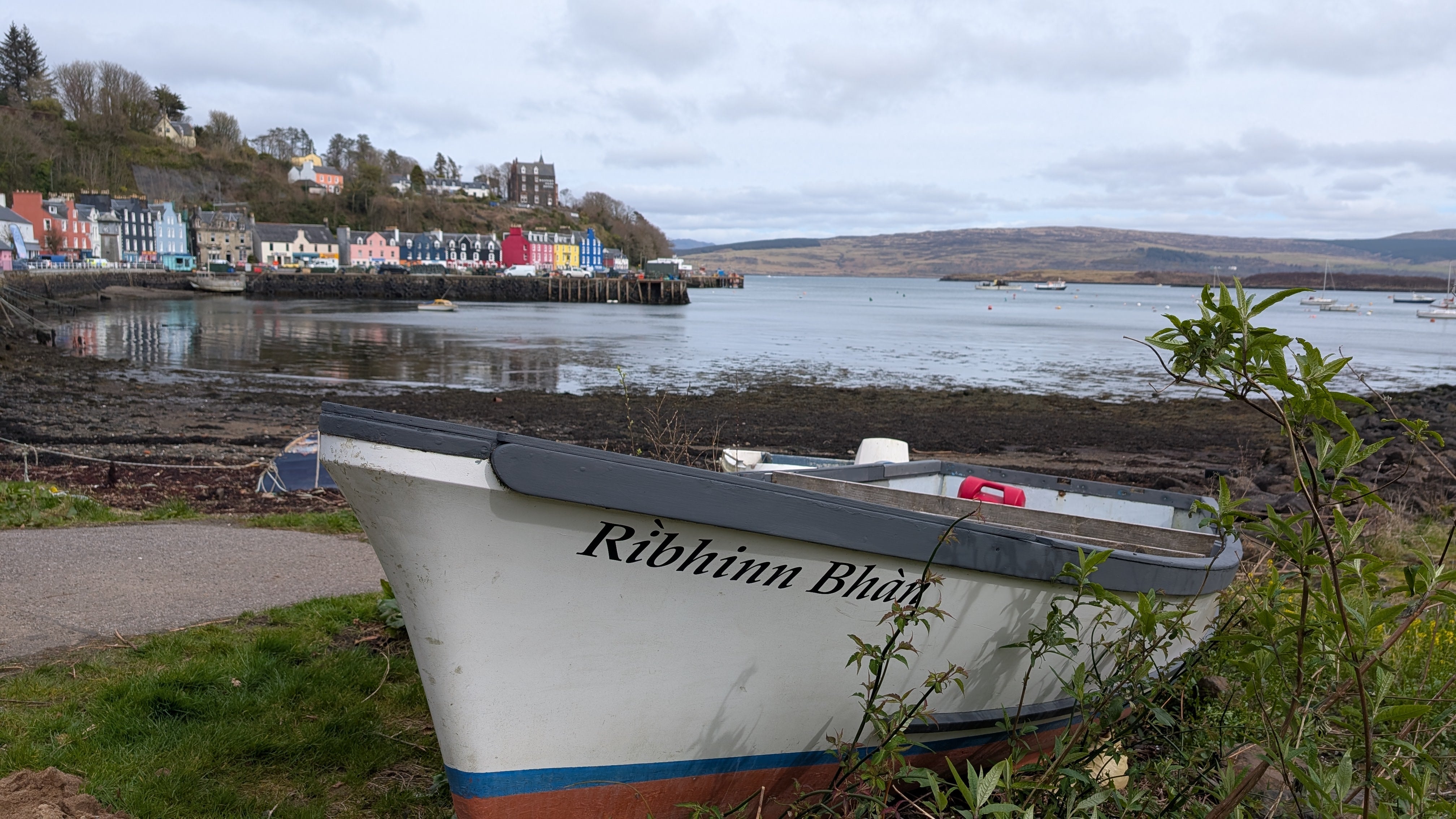
The naysayers weren’t wrong. Mull’s 300-mile coastline is home to tranquil sea lochs and sheltered bays where otters, dolphins, porpoises, minke whales and basking sharks thrive. The Hebridean island is home to one of the highest densities of nesting golden eagles in Europe. Cheerful harbour town Tobermory is the launch point for boat tours to the uninhabited isles of Treshnish and Staffa, where wildlife enthusiasts ogle at puffin colonies.
After a day of wildlife viewing, a dram at the Tobermory distillery and an obligatory photo in front of the colourful harbourfront houses, most visitors will catch the 45-minute ferry back to Oban. And those who want to hike? They go to Skye, of course.
With its 12 technical Munros (Scottish mountains with a height over 3,000 feet), epic Cuillin Ridge mountaineering route and mystical fairy pools, Skye is a hiker’s paradise. But everywhere on and in between its precarious basalt pinnacles, knife-edge ridges and crystal-clear waterfalls, you’ll find lots of lots of people.
“You could go to Skye, you could go anywhere else, and you’re never out of sight of the group of people in front, and you’ve always got people coming up behind you,” says Mr McLean.
Even without a bridge like the one that’s granted easy passage to Skye since 1995, Mull is reachable within four hours from Glasgow and five hours from Edinburgh. Nevertheless, you don’t have to go very far off the tourist trail to find a solitude that’s rare in modern Britain.
Read more: Once a year, silent film fans from around the world descend on this tiny Scottish town
“There is still true wilderness there,” says David Adams McGilp, VisitScotland’s regional director for Argyll and the Isles.
“There is great walking and hiking on all the islands, but Mull has got such a variety of landscapes and features within it that other islands don’t have. If you were trying to combine your love of the outdoors, your love of exercise, of nature, of wildlife, geology and history, I can’t think of a finer location to go for a hike.”
He tells me there’s been a decades-long project to improve the path network on Mull and help get people into more remote areas, but many visitors just don’t think to pack their hiking boots.
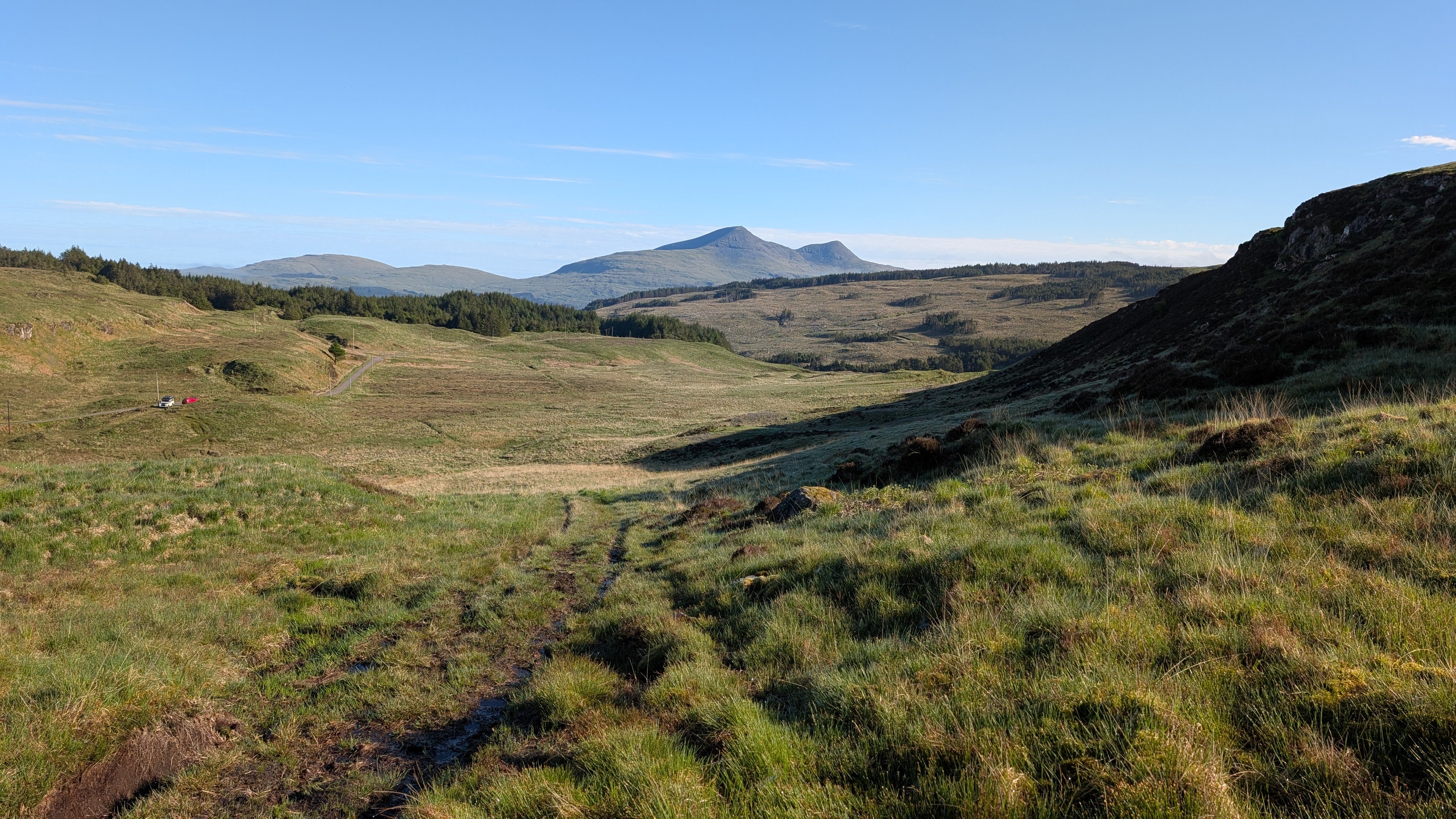
Those who do have their boots laced up tend to have one objective in mind: island’s sole Munro, Ben More. It’s that very peak that brought me to Mull a few weeks ago for the first time since my childhood. Its pyramidical summit dominates the landscape and is one of only a handful of sea-to-summit climbs in Scotland. With sweeping views across the strait to the community-owned Isle of Ulva and an exposed summit ridge to lend an air of drama, it’s no surprise it acts as a beacon for Mr McLean’s clients. It doesn’t have the innate danger compared to Skye’s challenging Sgùrr Dearg mountain, but the trail is entirely unmarked and largely notional, making a guide an attractive prospect. But Mr McLean prefers taking people almost anywhere else.
“It’s one of my least favourite hikes, to be honest,” he admits. “The rest of the island is wild and waiting to be explored.”
Mr McLean’s enthusiasm for nature is addictive – he frequently stops mid-sentence to point out native plants such as the carnivorous sundew and butterworts that thrive in peat bogs. He’s started offering optional wild dips on all of his walks and they’ve soared in popularity. Some customers have been booking Mr McLean for as many as 10 years in a row. Each time, they want him to take them further off the beaten track.
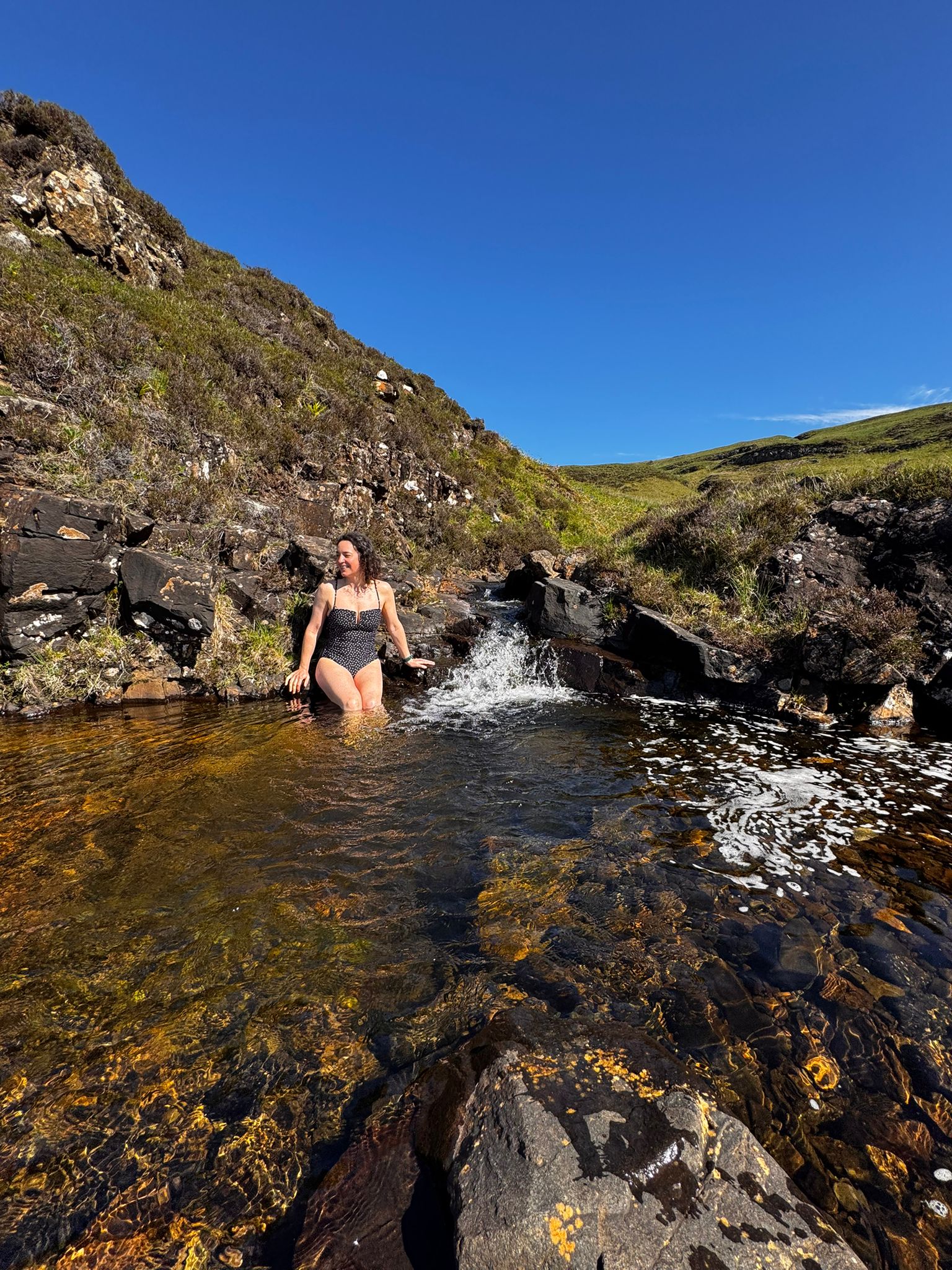
There are walks on the island that you can find on hiking apps. The Treshnish coastal walk is popular for wildlife. The abandoned township of Shiaba, emptied during the Highland Clearances, draws history buffs. An exposed cliffside path to the dramatic sea arches at Carsaig in the south lures the intrepid (though Mr McLean warns me most people are repelled by the path’s difficulty). But for Mr McLean, it’s the remote spaces in between, unmarked by trails, that are most compelling.
“It can give you the feeling of Skye, but it can also give you the feeling of proper wilderness walking. You get the feeling that you’re the first person to ever walk there.”
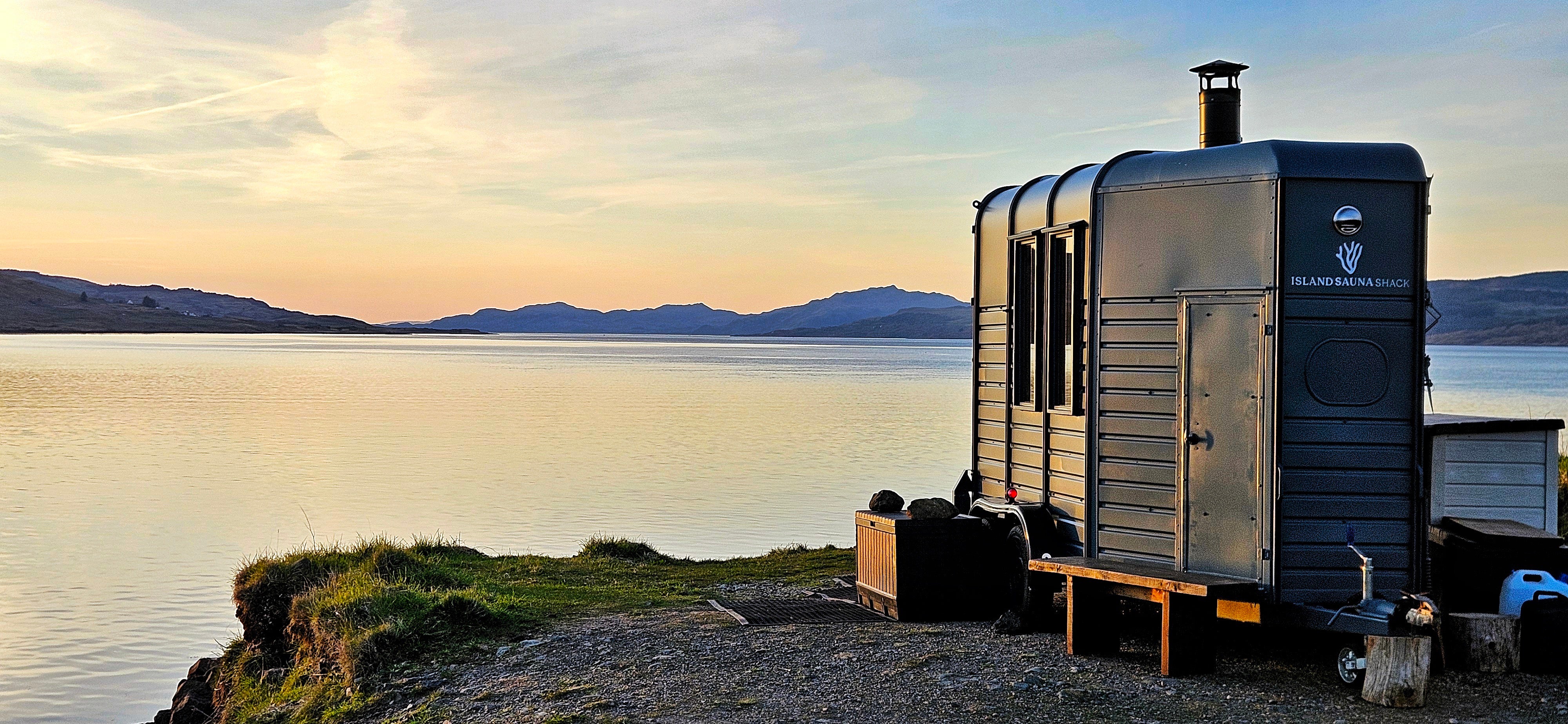
The wildness here means that services are fewer and farther between, while traditional accommodation gets booked up in the busy season. But on both trips I found it easy to pitch my tent in an idyllic, isolated spot, and after a hike, a good cup of coffee and a friendly face never seem to be more than a few minutes’ drive.
After climbing Ben More, I head north to Salen Bay, where the island’s mobile wild sauna is perched on the old stone pier. The Island Sauna Shack was opened last year by Donna and Ed Mather, spurred on by their love of wild swimming.
“West coast waters, though beautiful, are absolutely Baltic. We started to think we could stay in so much longer if we could just get in a sauna,” says Ms Mather.
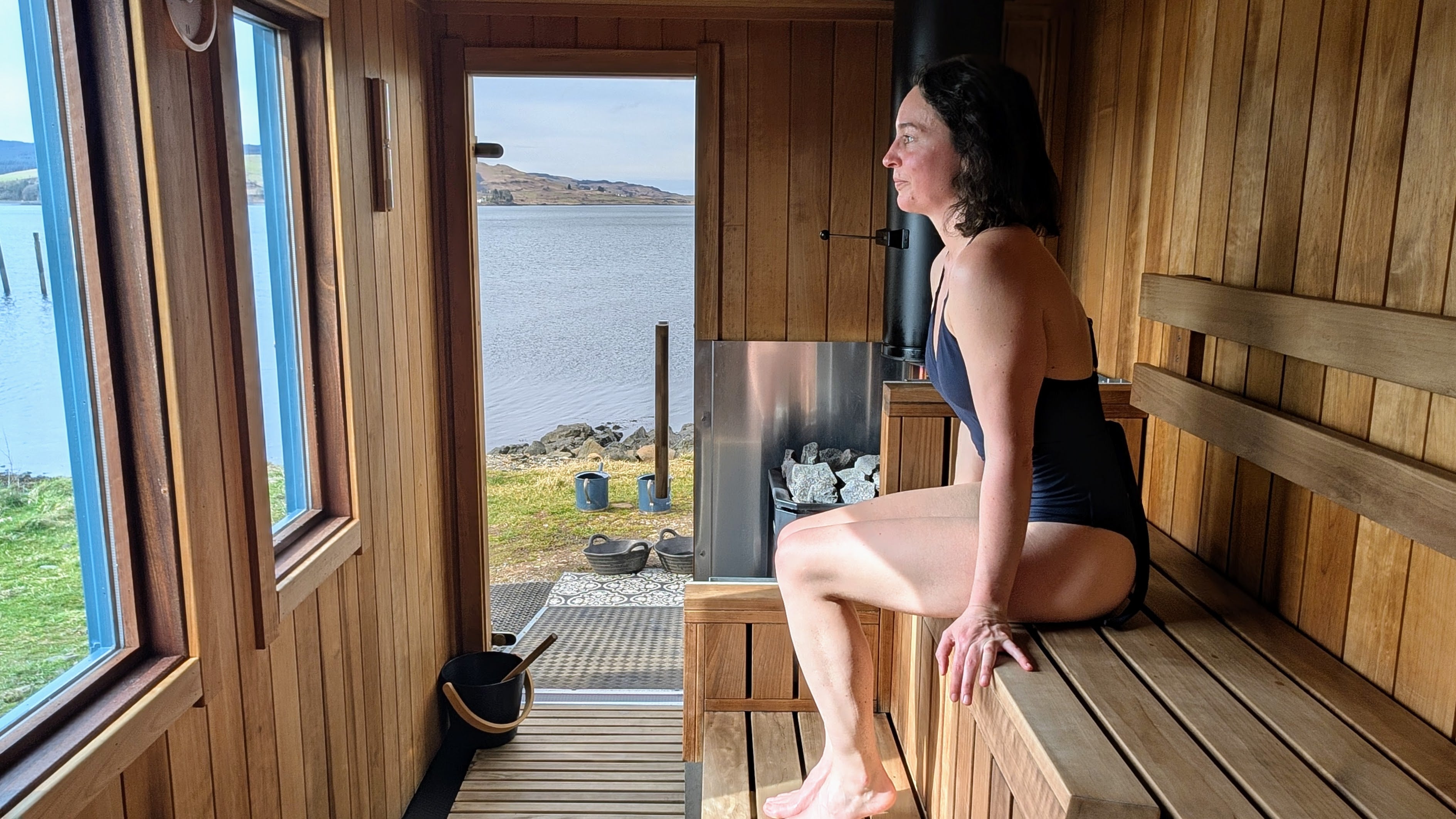
I pour a little water on the hot coals to release a burst of steam and settle in. After a few minutes of gazing into the middle distance through the large picture window, I realise I have company – a seal frolicking in the waves. There’s no tour guide telling me about it over the loudspeaker or pressing a bucket of fish into my hand to lure it closer. Just a Mull local living life in its natural habitat, and once again, I have it all to myself.
Read more: I retraced my grandma’s footsteps hiking on Ben Nevis
How to do it
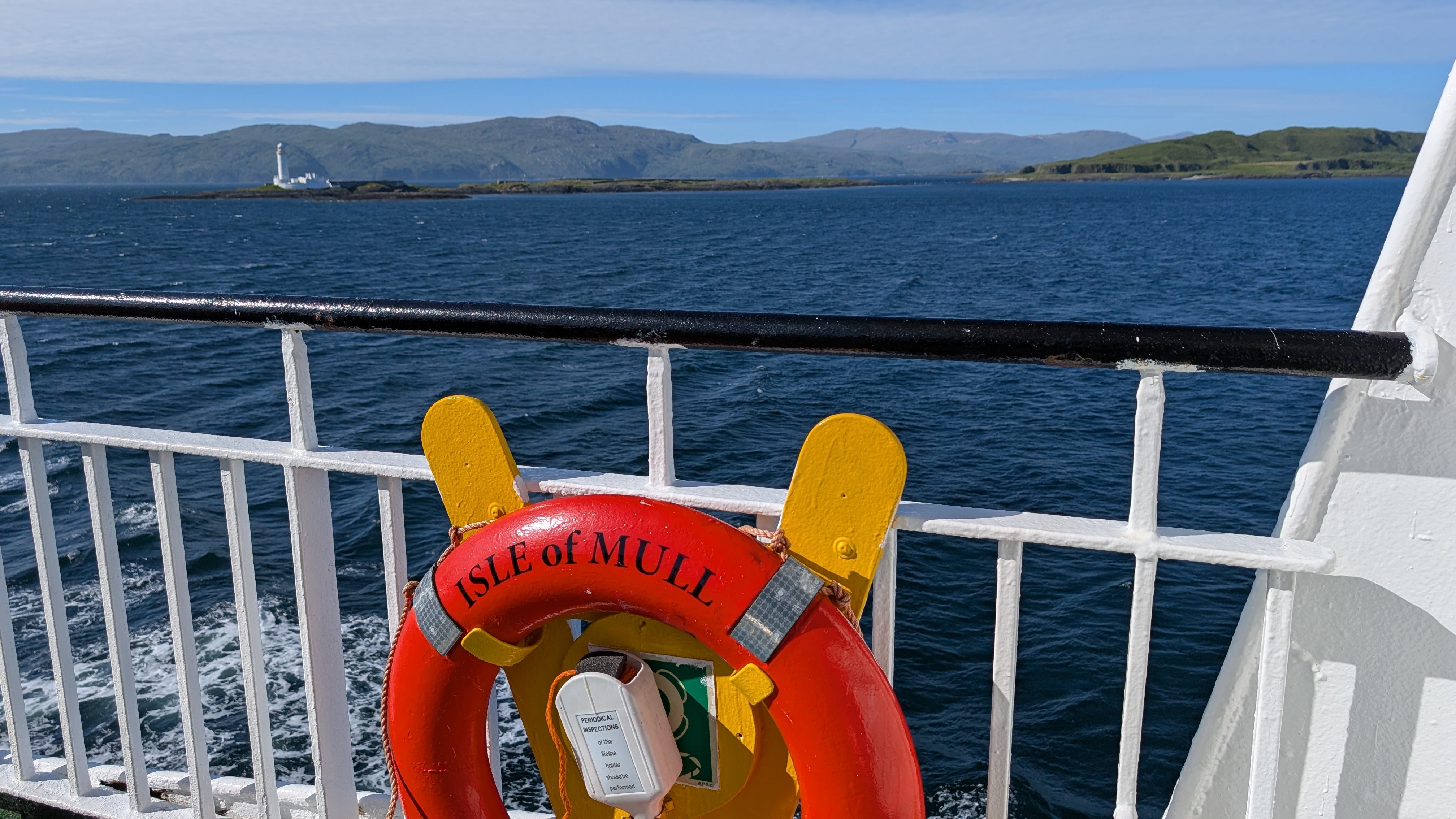
All you need to do is get yourself to Oban, which is a two-and-a-half-hour drive from Glasgow and three hours from Edinburgh. Regular trains and buses from Glasgow take around three hours and link up with rail, bus and air services from London and other major UK cities. There are three ferry routes to Mull from the mainland, but the most popular is the 45-minute crossing from Oban to Craignure, which operates nearly 60 sailings per week with prices starting at £4.40 for an adult foot passenger and £18.20 for a car.
If you’re travelling on foot or by bike, there are four on-island bus routes operated by West Coast Motors and the Mull 24 Hour Island ticket offers passengers unlimited travel.
Where to stay
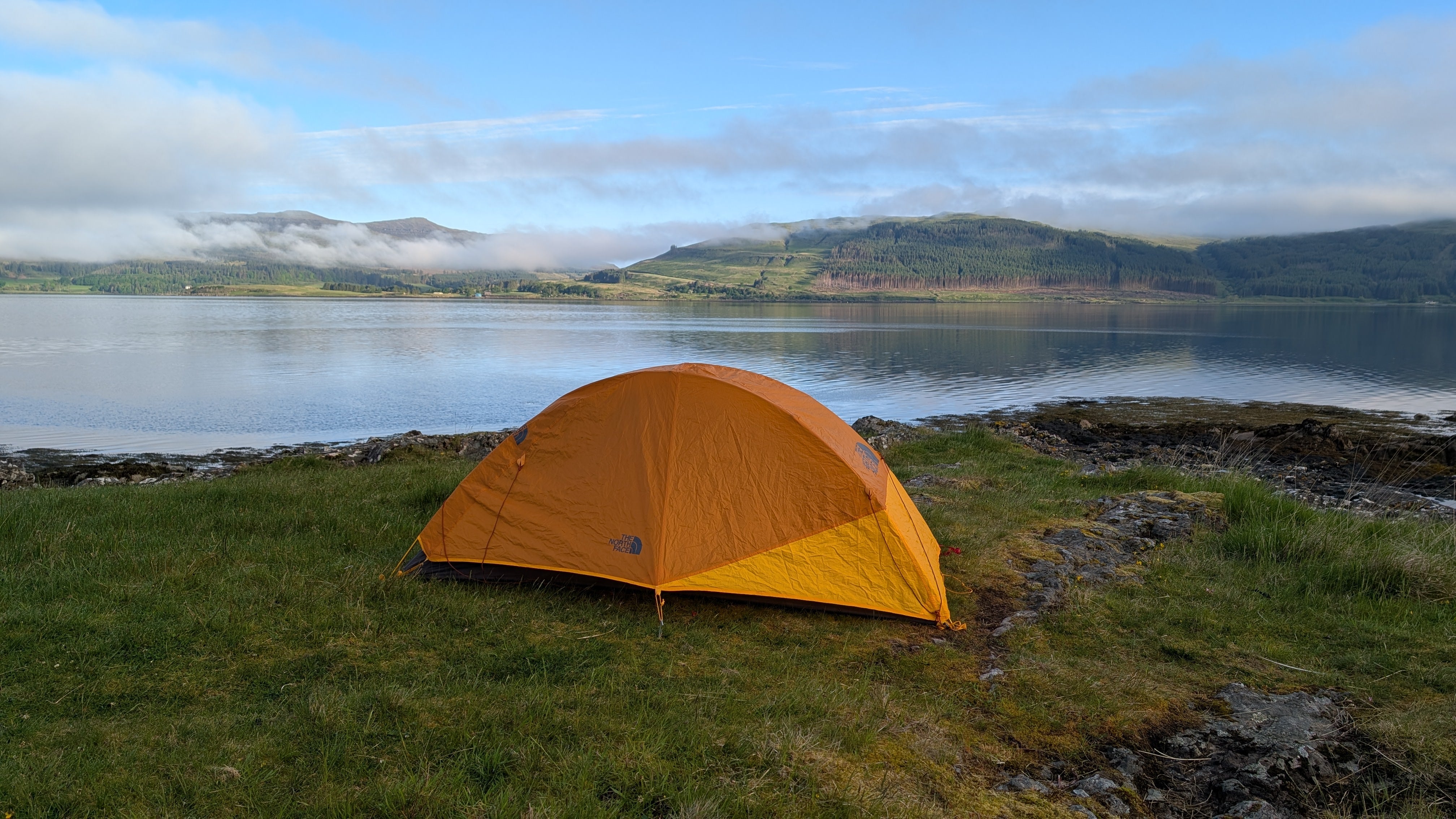
Responsible wild camping is permitted, with an “official” wild campsite at beautiful Calgary Beach. Ardalanish Isle of Mull Weavers also accommodates camper vans for £15 per night with easy access to the stunning white sands of Ardalanish Bay. If you want amenities, Port nan Gael campsite has sea views over Loch Scridain, and Salen Bay campsite provides facilities and wifi, with prices starting at £24 per pitch for tents, and £36 for campervans.
Salen Bay campsite is a short walk from the Island Sauna Shack and the Coffee Pot, where you can fuel up with hot drinks and home baking. Grass pitches start at £22 per night. If you’re not camping, there are hotels, guesthouses and camping pods around the island, but booking ahead is essential year-round.
Read more: Magical Arran is ‘Scotland in miniature’