


 Africana55 Radio

This website uses cookies so that we can provide you with the best user experience possible. Cookie information is stored in your browser and performs functions such as recognising you when you return to our website and helping our team to understand which sections of the website you find most interesting and useful.
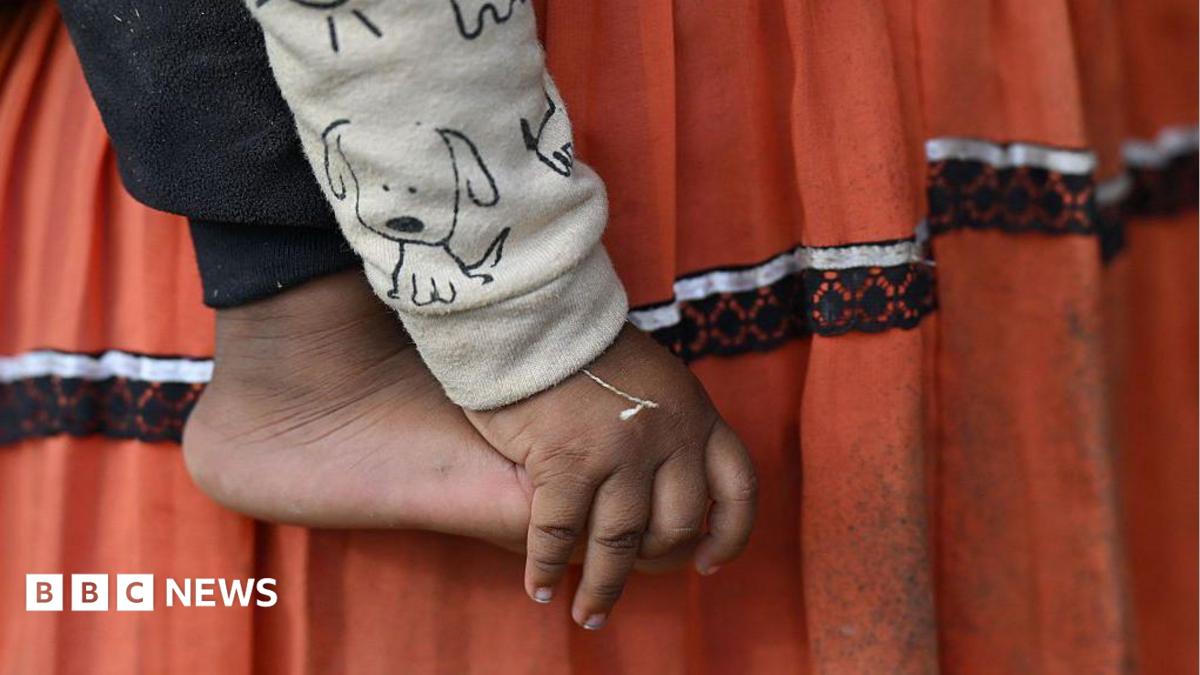
With around 300,000 members, the Great Emberá Nation is one of Colombia's largest Indigenous communities, with populations also living in Ecuador and Panama.
One theory about why members of the community practise FGM, when it's rarely seen elsewhere in Latin America, is that the practice arrived with enslaved people from African countries.
This could help explain its prevalence in Risaralda, Chocó and Valle del Cauca, neighbouring departments that either are home to, or border, large Afro-Colombian populations.
Another theory is that the birth of an intersex child, hundreds of years ago, left the community with a fear of the clitoris - with many older women believing that it will grow into a penis if not cut.
Others think that it stems from the patriarchal belief that a woman with an organ associated with sexual pleasure is more likely to be promiscuous.
Whatever its origin, Juliana Domico, the legal representative and chief Indigenous councillor to the National Confederation of the Peoples of the Great Emberá Nation of Colombia, rejects the idea that the practice is cultural.
"Our culture is our clothing, our crafts, our dances and our language, not a practice that kills. Culture does not kill."
She says the new law follows years of advocacy work within the community: "We hope the law is translated into public policy, with sufficient resources to implement it."