


 Africana55 Radio

This website uses cookies so that we can provide you with the best user experience possible. Cookie information is stored in your browser and performs functions such as recognising you when you return to our website and helping our team to understand which sections of the website you find most interesting and useful.
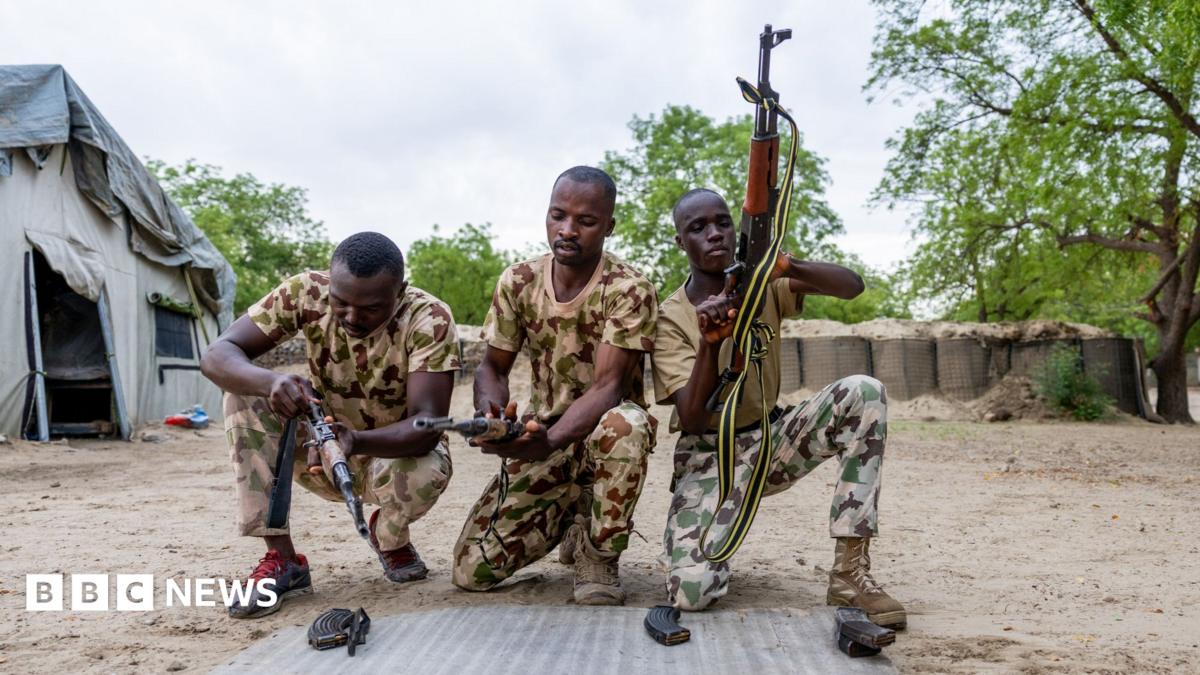
In addition to the new division, three new army headquarters will be set up in north-east and central Nigeria - areas plagued by Islamist militants, banditry and clashes between farmers and herders.
Recently, the violence has spread into parts of southern Nigeria too. In May, 44 pupils and teachers were abducted during co-ordinated attacks on schools in the south-western state of Oyo.
Although the government plans to recruit tens of thousands of soldiers, security experts told the BBC that convincing young Nigerians to join the army, in the face of the number of soldiers killed in recent months, might be a major challenge.
Ahead of approving the changes to the military, President Tinubu ordered armed groups to "surrender or face the full force" of the state.
In his speech, given last month, he also announced more than 50,000 new police officers and allocated record 5.41tn naira ($4bn; £3bn) to defence and security in the yearly budget.
In December, US and Nigerian forces launched a joint operation to tackle jihadists, which involved strikes against militants from the Lakurawa group in north-western Nigeria on Christmas Day.
Senior Islamic State (IS) leader Abu-Bilal al-Minuki was also killed during a months-long mission that largely centred on the Lake Chad Basin area in the north-east.
IS has radically shifted in recent years, with around 90% of its attacks now taking place in sub-Saharan Africa, analysts say. Its Nigeria-based branch is by far the most active.
Despite the US-Nigeria joint operation, which came to an end early this month, Islamist militant groups continue to stage attacks.