


 Africana55 Radio

This website uses cookies so that we can provide you with the best user experience possible. Cookie information is stored in your browser and performs functions such as recognising you when you return to our website and helping our team to understand which sections of the website you find most interesting and useful.

Want to bookmark your favourite articles and stories to read or reference later? Start your Independent Membership today.
Already a member? Log in
Coastal communities across the Northeast faced more flooding and power outages on Sunday as a powerful nor’easter continued to lash the region, with forecasters warning that upcoming high tides could further submerge vulnerable shorelines.
The slow-moving storm—which resulted in a fatality on Saturday when a falling tree struck a New York City housing authority worker—was expected to persist through Sunday with heavy rain, high winds, and dangerous surf from New Jersey to New England.
Positioned south of Long Island and east of northern New Jersey on Sunday morning, the storm was forecast to loop around the region for roughly another 24 hours, said Bob Oravec, a lead forecaster with the National Weather Service in College Park, Maryland.
Meteorologists expected the heaviest remaining rainfall on Sunday to span northern New Jersey through New York City and Long Island into southern New England. While the system was gradually losing strength, Oravec noted that the threat of tidal flooding would persist during morning and evening high-tide cycles.
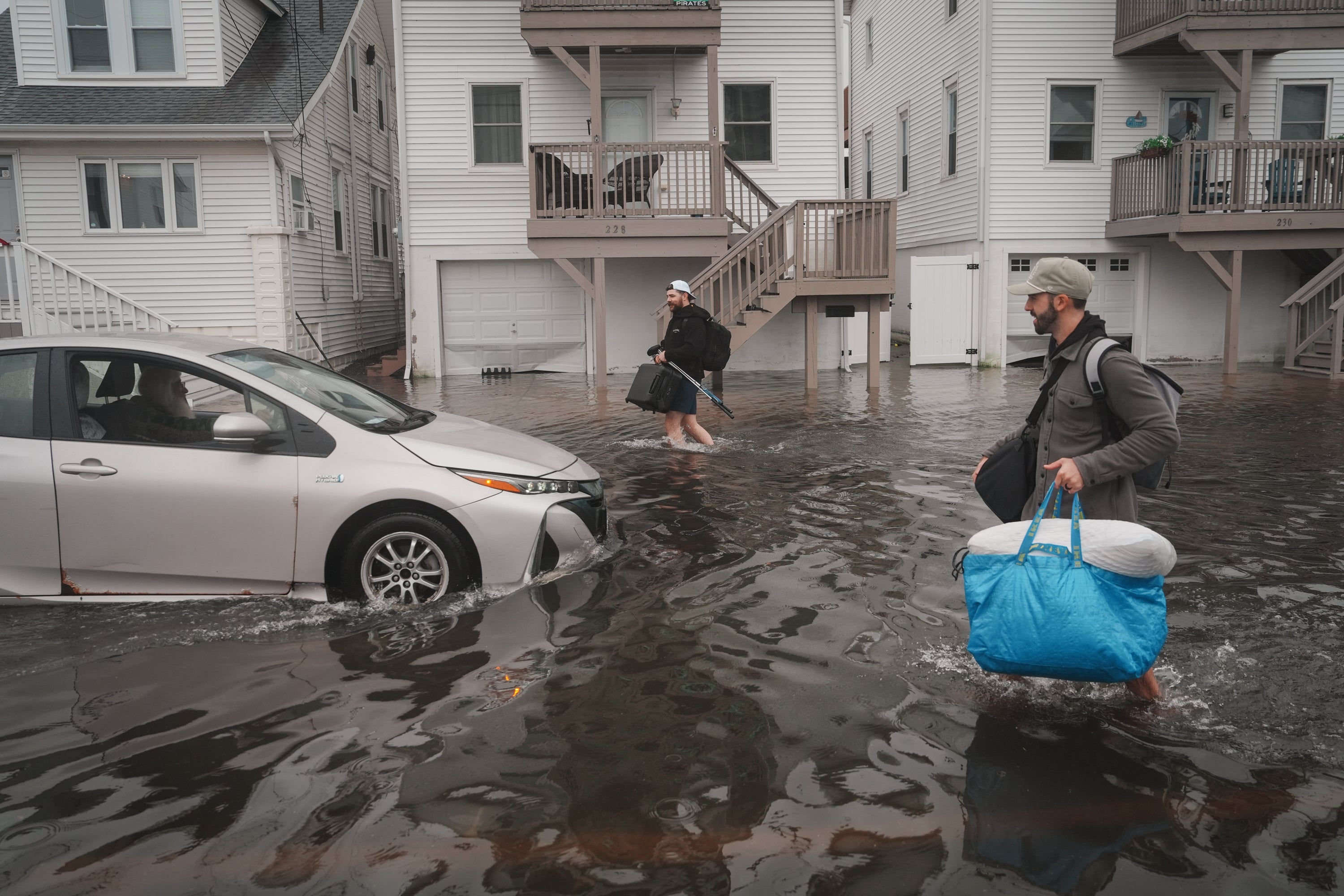
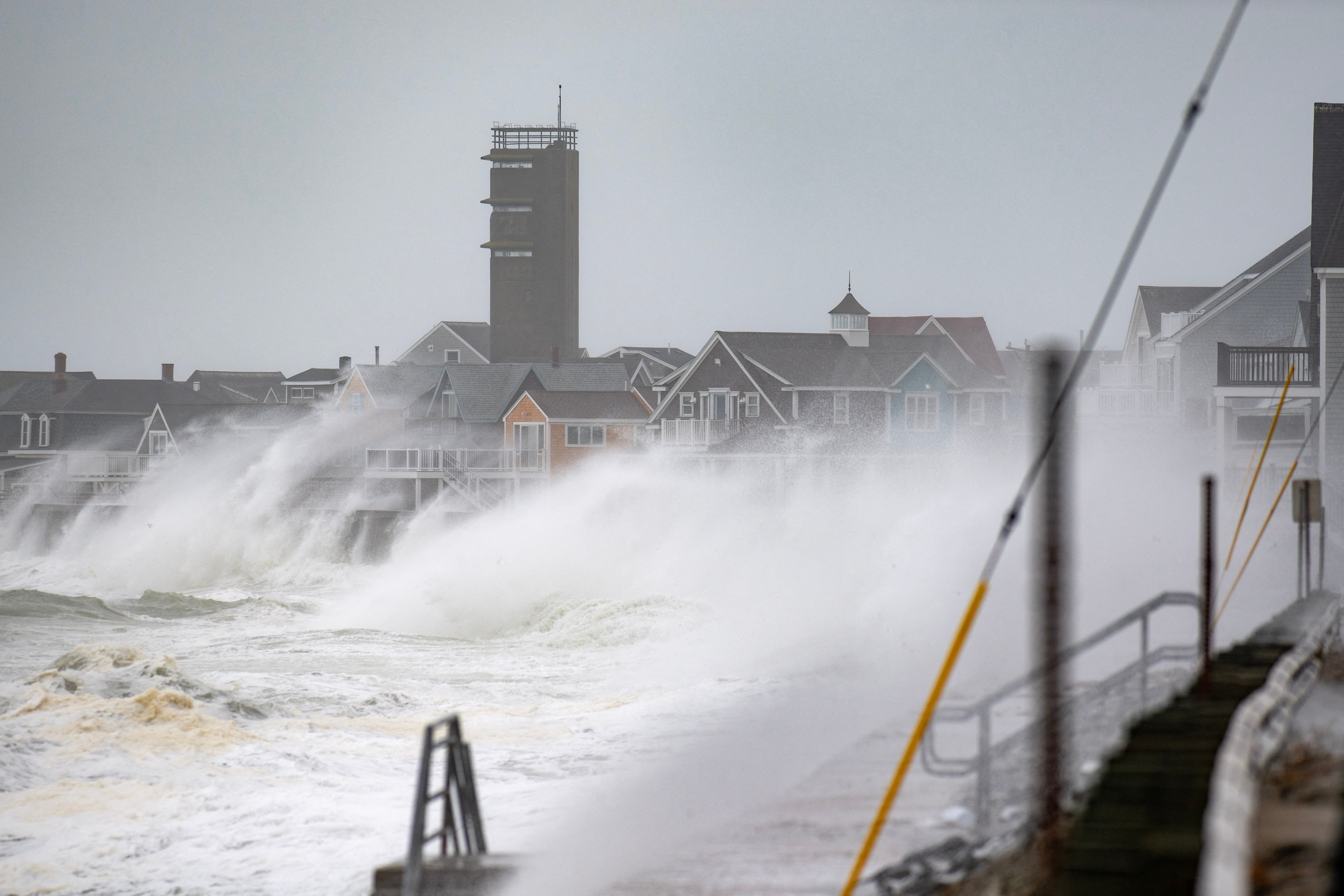
"The most impactful parts of the storm are likely going to be the high winds and the tidal flooding," Oravec said.
The weather evoked memories of 2012's Superstorm Sandy, which caused over $60 billion in damage across the eastern US. Although the current impact remains far lower, it could mark the first of several East Coast storms this fall influenced by an El Niño climate pattern.
More than 130,000 customers lost electricity across the Northeast and mid-Atlantic by Sunday morning, according to PowerOutage.us.
The most severe outages affected the New Jersey coastline, Long Island, and coastal Connecticut. Fallen trees across Long Island damaged homes and vehicles, blocked roads, and severed power lines.
The Federal Emergency Management Agency stated that regional response centers were operating at an "enhanced posture," with emergency personnel staged in New England in case of widespread blackouts.
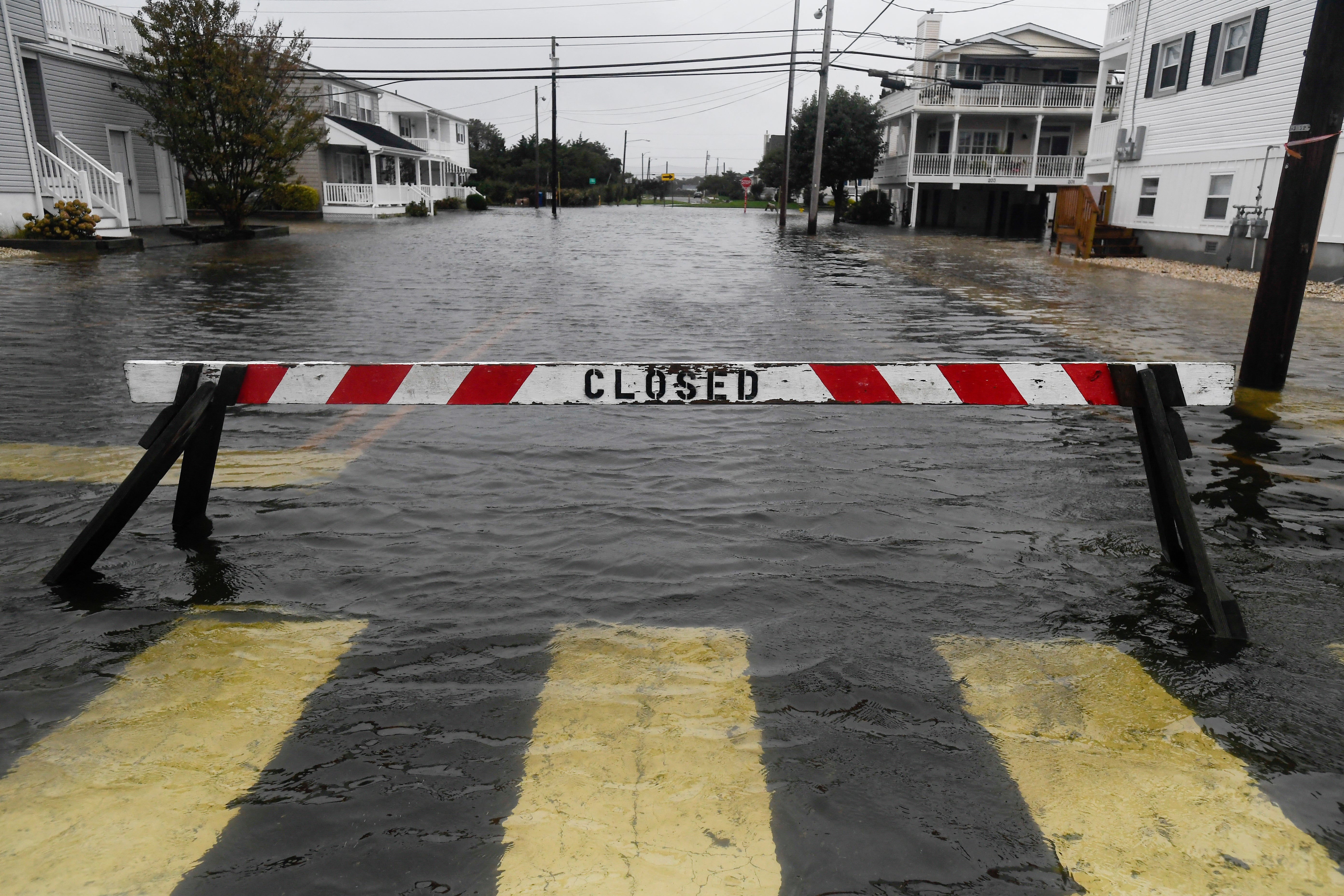
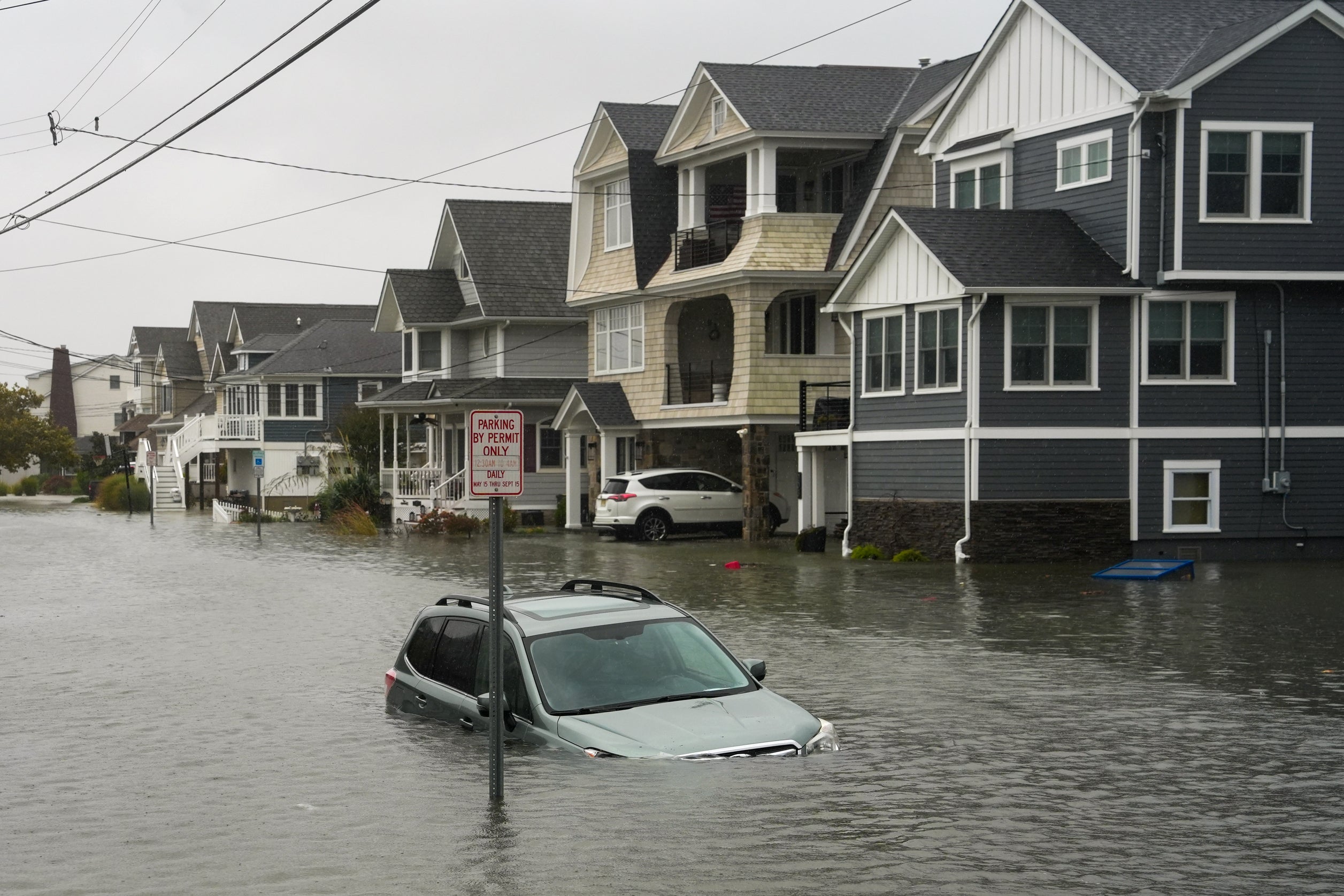
On Saturday, flooded streets in New York and New Jersey saw residents kayaking, while others attempted to surf elevated waves at local beaches. Emergency crews in Sea Bright, New Jersey, rescued a woman and her dog trapped in a flooded vehicle, ABC7 reported.
In Surf City, New Jersey, floodwaters entered a marina where staff had relocated equipment, and owner Kenny Formica said clients reported missing boats and Jet Skis blown from lifts. In Norfolk, Virginia, high waters left driving cars pushing wakes through streets.
Travel across the region was also upended. Hundreds of flights were grounded at Boston Logan International Airport, and flooding cut highway access to Hatteras Island, North Carolina, stranding tourists and forcing a couple to relocate their wedding when roughly 45 guests could not reach the island.