


 Africana55 Radio


This website uses cookies so that we can provide you with the best user experience possible. Cookie information is stored in your browser and performs functions such as recognising you when you return to our website and helping our team to understand which sections of the website you find most interesting and useful.

Want to bookmark your favourite articles and stories to read or reference later? Start your Independent Membership today.
Already a member? Log in
No one out walking their dog would have failed to notice the impact of this summer’s heatwaves on the landscape. Parched ponds and wilted willows are all signs of the unpredictability of the UK’s weather as the climate changes.
Farmers are at the heart of this landscape. But they are under pressure as never before, as summers become hotter and drier, and winters are warmer and wetter. This year’s harvest was England’s worst on record, according to analysis of harvest data by the Energy and Climate Intelligence Unit.
The finding should be a ‘major wake-up call’, according to Martin Lines, CEO of the Nature Friendly Farming Network (NFFN) and an arable farmer from Cambridgeshire. Conventional farming systems – which historically asked farmers to prioritise output during the post-war era – are now facing plummeting yields in the face of climate change, he says.
Though there is no overnight fix, a growing shift is taking place on British farms. Many farmers are putting farming methods that were common practice in the past back into use in an approach known as ‘regenerative agriculture’.
This focuses on rebuilding soil health, improving water retention, and restoring biodiversity – changes that benefit not only farms, but the wider landscapes we all share.
“Soil rich in organic matter that can better hold and store water all year round is essential if farms are to withstand the summers of heatwaves and droughts, and the mild, wet winters we know are coming,” Lines says.
Why soil health matters for everyone, not just farmers
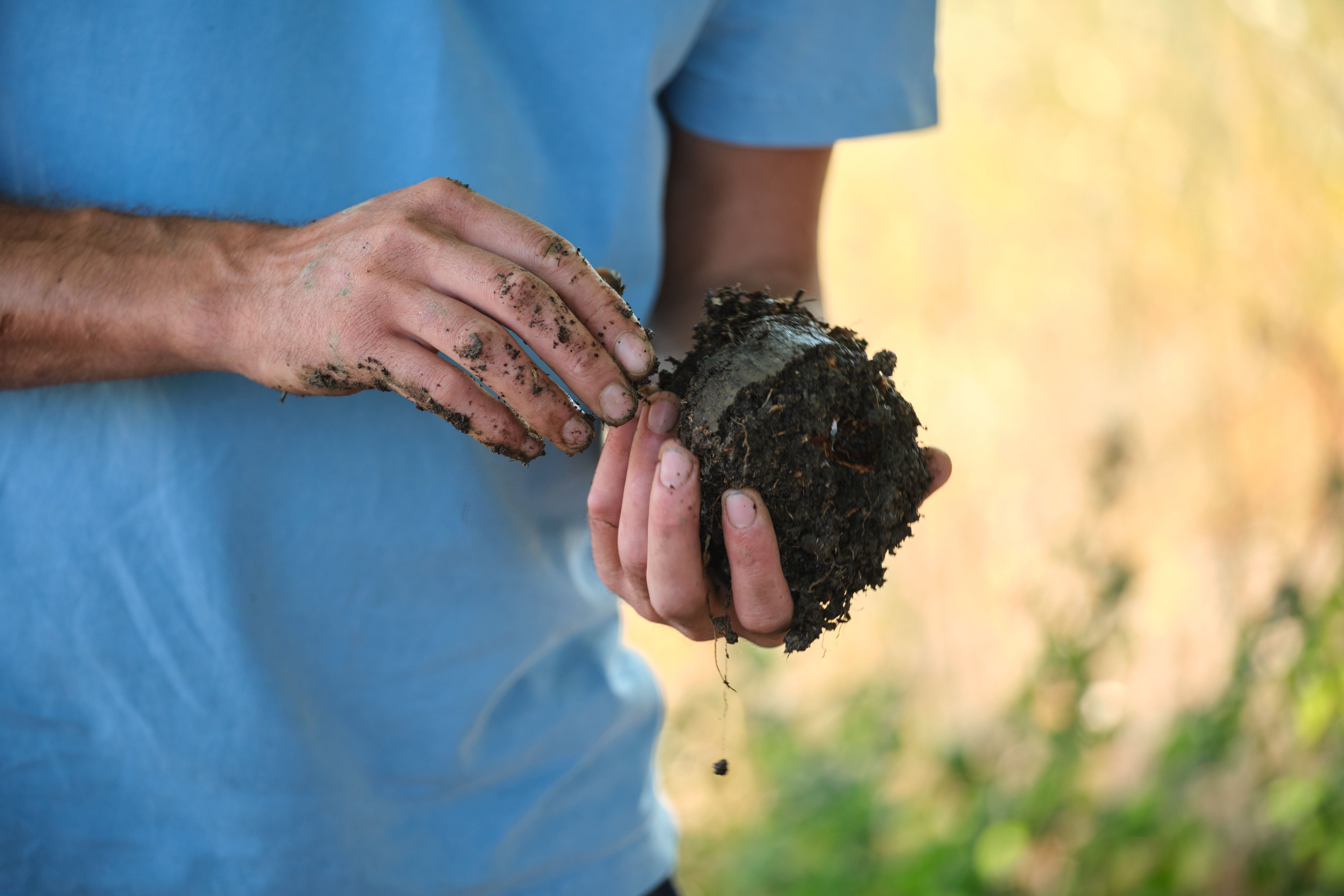
Healthy soil is one of the most important natural assets in the UK countryside. It supports crop growth, regulates water, stores carbon, and provides habitat for insects, birds, and small mammals.
But when soil becomes compacted, depleted, or left bare, it loses its ability to hold water, store carbon and support life. That affects farms, but also rivers, wildlife corridors, and the green spaces pet owners enjoy.
Regenerative agriculture aims to reverse this trend. Rather than relying on intensive cultivation and synthetic inputs, it uses practices that help soil recover and strengthen over time.
Regenerative systems typically follow five principles: minimising soil disturbance, keeping soil covered, maintaining living roots year‑round, increasing plant diversity, and integrating livestock.
For example, covering the soil with legumes, oats, radish, or mustard protects it between harvests. These crops have dense root systems that can significantly improve soil structure and drainage, reducing run‑off during heavy rain and helping protect against floods.
Another regenerative technique is to reduce or halt soil disturbance caused by ploughing to help preserve underground ecosystems, retain moisture, support earthworm populations, and keep carbon in the ground.
Practical techniques making a difference on UK farms
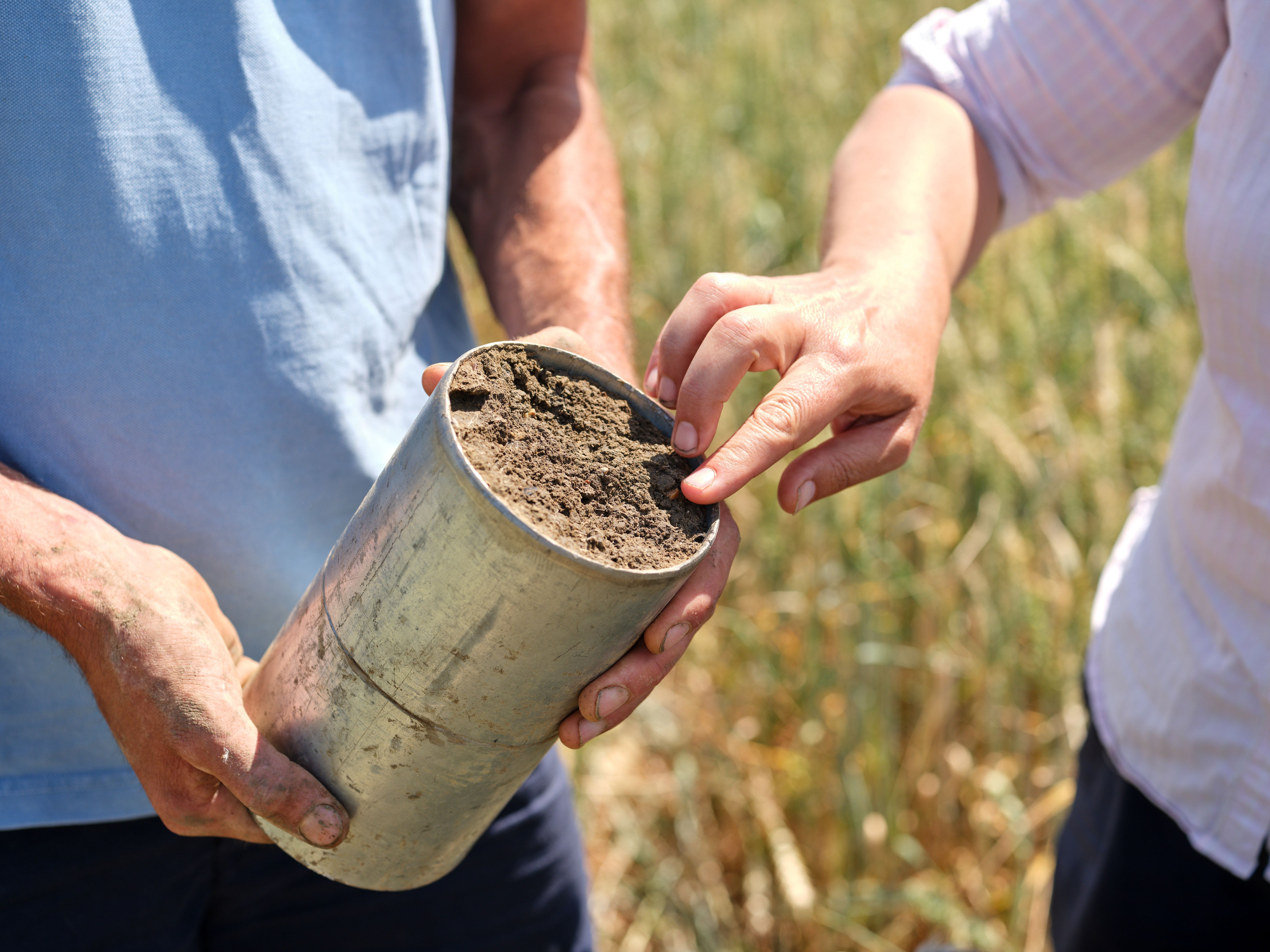
In Bedfordshire, wheat farmer Clare Donkin’s 2026 harvest is around 30 per cent below normal following months of heat and minimal rainfall.
But along with more than 100 other wheat farmers supported by Purina through their partnership with LENs, Donkin can access funding, technical expertise and guidance so that she can trial regenerative practices on her land.
This partnership between Purina & LENs covers more than 8,000 hectares of UK farmland. Testing changes they have made can help farmers see whether the changes they are making are working before any difference is visible above ground.
As Donkin says, this targeted support gives growers the confidence to innovate: “We cannot control when it rains, but having the funding and technical backing allows us to take risks and trial new approaches without shouldering the burden alone. It helps us understand our soil better and make changes that may help the farm cope over time.”
It is a long-term process, she says. “We hope what we’re doing now will help us, and the soil we work with, to be more resilient in the years to come.”
Purina’s partnership also supports farmers to plant trees and hedgerows. So far, more than 12,000 trees have been planted. Landscape improvements such as these play a vital role in water management and protection of wildlife habitats.
Indeed, studies by UK conservation bodies, including Natural England, show that established native hedgerows can act as vital ecological corridors, providing shelter and food for hundreds of species of plants, insects, and birds.
How pet owners can support soil health at home
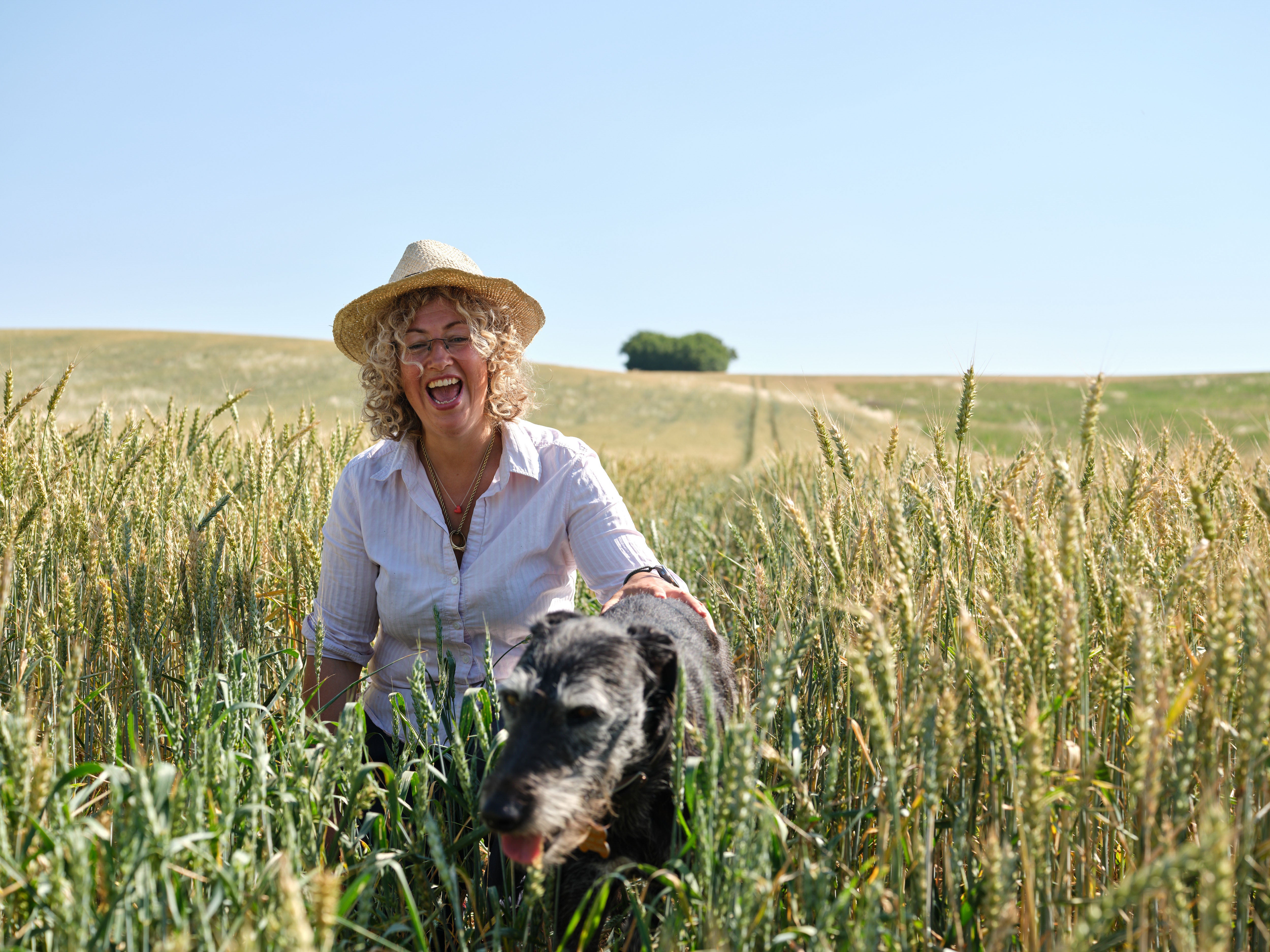
More resilient farms support local food production and help maintain the rural character of British landscapes.
And though regenerative principles may sound technical, their impact is simple: healthier soil, healthier landscapes.
Over time, these practices boost soil health, retain water, and support local pollinators such as bees and beetles, as well as mammals, birds and plants.
In turn, broader countryside landscapes become more resilient, while individual actions at home help nurture our own local green spaces.
Regenerative principles are not limited to farms. Many of the same techniques can be applied in gardens, allotments, and community green spaces.
In fact, a 2026 survey commissioned by Purina shows many Britons are already doing this, despite 55 per cent being unfamiliar with the term ‘regenerative farming’. Some 38 per cent keep living roots in the ground over winter, 35 per cent use fallen leaves as mulch, and 34 per cent compost garden waste.
Donkin’s autumn advice is to dig less, keep some leaves on the ground to protect the soil and leave selected seed heads and stems as habitat for wildlife. “Soil is not just something that holds a plant upright,” she says. “It is a living resource that needs time and care.”
These small actions mirror the regenerative principles used on farms and help protect soil biology in home gardens.
Protecting landscapes is a collective effort
The countryside is a shared space on which all pet owners, farmers, and communities rely. Regenerative agriculture offers a practical, evidence‑based way to help strengthen these landscapes for the future.
By supporting farmers adopting these practices, and by making small changes at home, we can help ensure the fields, footpaths, and green spaces we love remain healthy and resilient for generations to come.
Find out more about Purina’s commitments to pets, people and the communities they operate in: Purina in Society - Our Commitments To You | Purina