


 Africana55 Radio
This website uses cookies so that we can provide you with the best user experience possible. Cookie information is stored in your browser and performs functions such as recognising you when you return to our website and helping our team to understand which sections of the website you find most interesting and useful.

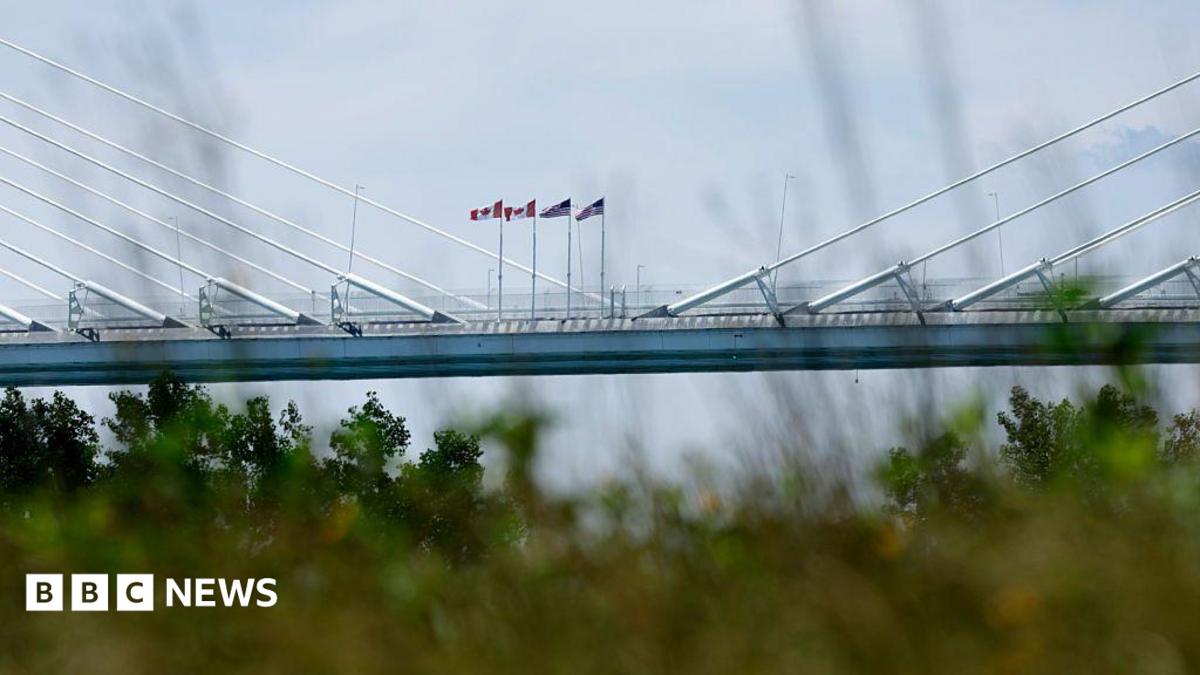
Almost 15 years ago, Canada agreed to fully pay for the bridge's construction to bypass US political resistance and get the project, seen as necessary infrastructure to fix a trade bottleneck, moving.
The bridge will help support more than C$1bn ($710m; £530m) worth of goods that pass through Windsor-Detroit crossing each day.
When Canada first took on the construction project, which will be owned by both Ottawa and Michigan, it agreed to share toll revenue with the US state only once its costs were paid.
Then, early this year, shortly before a planned ribbon-cutting ceremony, Trump said he would block its opening until Canada agreed to "share authority" and ownership.
"We should own, perhaps, at least one half of this asset," he said at the time.
The bridge has long faced pushback from the Moroun family in Michigan, who own the neighbouring Ambassador Bridge, the busiest commercial border crossing in North America and one of the few that are privately owned.
Billionaire Matthew Maroun, who is also a Trump donor, met with US Commerce Secretary Howard Lutnick hours before the president's comments, according to a New York Times report.
In June, Carney announced that Canada agreed to a US request to delay the opening of the bridge to allow for further negotiations.
Keen to get the vital trade link open, Ottawa accepted to now split half of the bridge revenues for the next 15 years with an economic development fund "solely controlled" by the US government.
Trump touted in a recent social media post the new agreement was "MUCH BETTER" for America.
The bridge fallout comes against a backdrop of a challenging trade dispute with Canada and the US. While he was running to be elected prime minister, Carney vowed to solve it with an "elbows up" approach - referencing a combative style of hockey coined by the late Gordie Howe himself.
Now Carney is facing pushback for conceding to a US administration that many Canadians view as treating their country unfairly.
"We're dealing with an administration like we've never seen before," Colin Robertson, a former Canadian diplomat and a fellow at the Canadian Global Affairs Institute, told the BBC.
"They renege on deals. They don't follow agreements. It's like dealing with pirates."