


 Africana55 Radio

This website uses cookies so that we can provide you with the best user experience possible. Cookie information is stored in your browser and performs functions such as recognising you when you return to our website and helping our team to understand which sections of the website you find most interesting and useful.
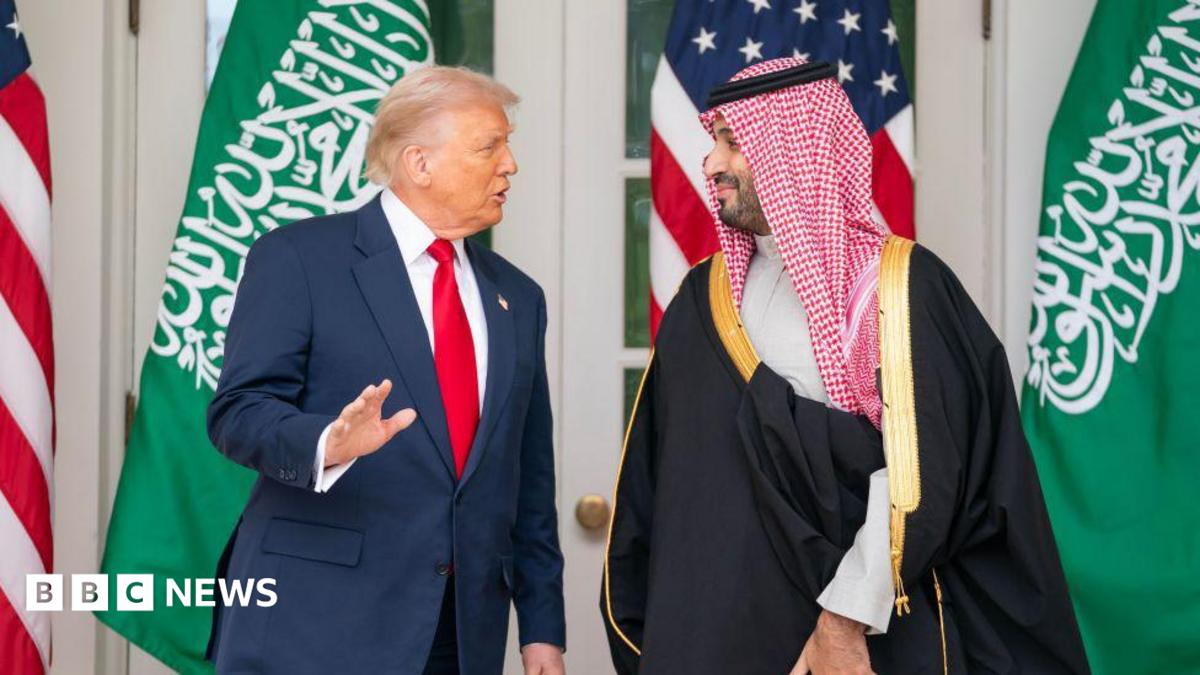
Nevertheless the deal is already facing criticism in Israel and the US.
As news of the deal emerged on Wednesday, some Israeli politicians argued Saudi Arabia could become a new nuclear threat in the region. Israel is widely believed to have nuclear weapons, though it has not acknowledged so publicly, and it joined the US war with Iran over shared concerns about Tehran's nuclear programme.
"A civilian nuclear program in Saudi Arabia [will] lead to a mad arms race across the entire Middle East," Avigdor Lieberman, a member of the Israeli parliament and a former defense minister, said in a social media post.
Democratic lawmakers in Congress raised similar concerns.
"The deal really is a giveaway to the Saudis, and it's only going to fuel further ambitions from Iran. It's only going to further destabilise the region with Israel," Democratic congressman Ro Khanna of California told the BBC. "It's just not smart policy."
US Energy Secretary Chris Wright said the agreement would boost the American economy and strengthen national security. Wright also said in a statement posted to social media that the US-Saudi pact would "uphold the highest standards of nuclear safety and nonproliferation."
But the administration fuelled scepticism over the agreement by not immediately releasing more information about it on Wednesday. And perhaps in a telling sign, Trump did not preside over the signing ceremony making the deal official.
Trump attended the dignified transfer ceremony for four US service members who were killed in Iran, before holding a rally in Georgia where he argued that his policies were making the Middle East more stable than ever.