


 Africana55 Radio

This website uses cookies so that we can provide you with the best user experience possible. Cookie information is stored in your browser and performs functions such as recognising you when you return to our website and helping our team to understand which sections of the website you find most interesting and useful.
Earlier this year, Bali celebrated Nyepi, a new year celebration held annually on the Indonesian island that requires everyone to observe a day of silence and stay indoors.
The sacred Hindu custom is expected to be practised by locals and visitors alike, but one Swiss tourist made headlines this year after filming himself walking to an empty beach during Nyepi, smiling at the camera and calling the scene “crazy” while swearing in the post’s caption.
The now-removed video led to the arrest of Luzian Andrin Zgraggen, 26, in the popular beach resort of Legian. On Thursday, 21 August, Mr Zgraggen was convicted at the Denpasar district court of insulting a religious observance under Indonesia's new criminal code and was sentenced to a year in jail.
The court found he had made the posts after staff at the villa where he was staying explained the restrictions to him.
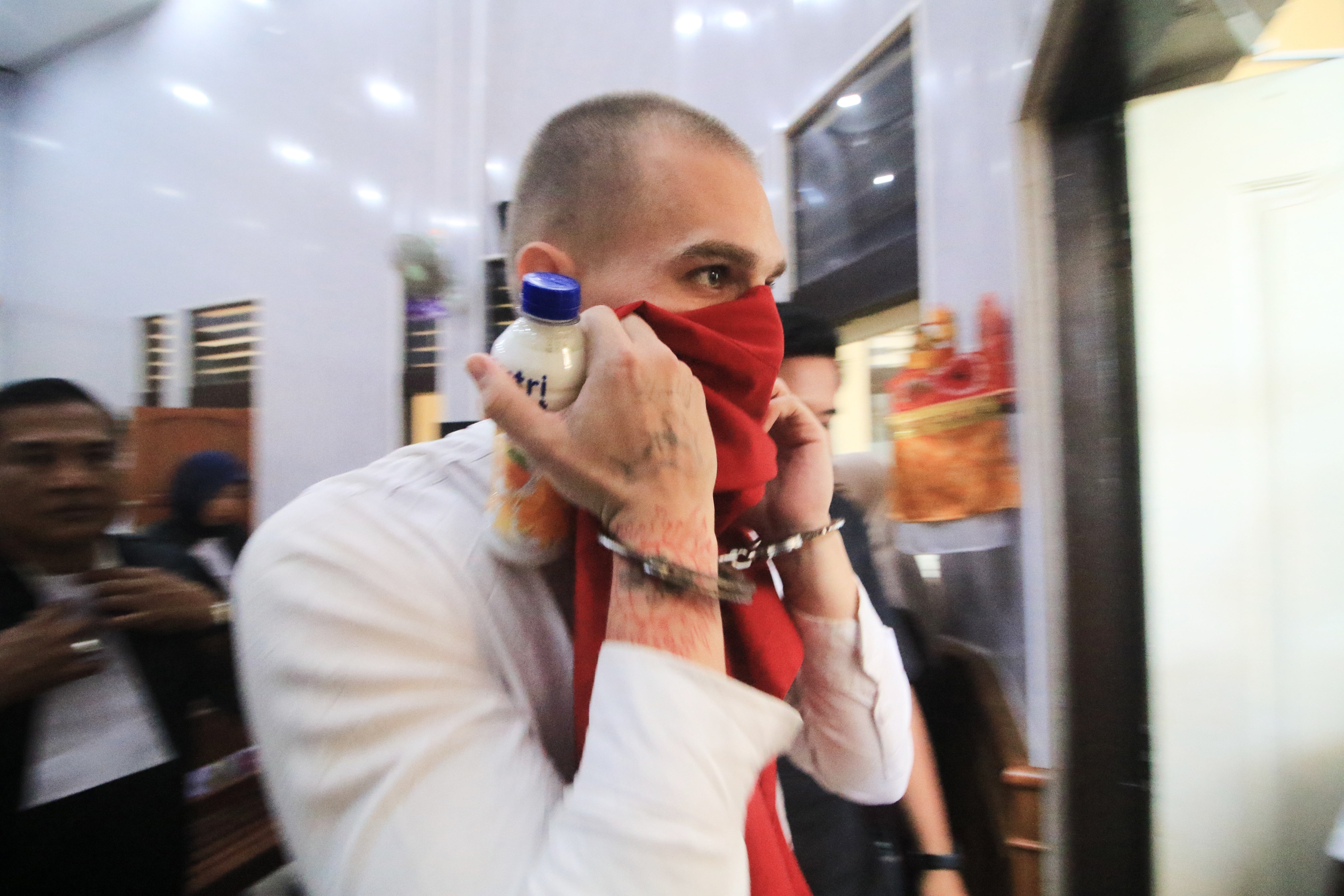
While Mr Zgraggen said in his defence plea that he “deeply regrets” his actions, the incident serves as a reminder to those visiting a destination to respect local customs.
The UK’s Foreign Office lists laws and cultural differences for each country, as well as advice on how to follow and respect local rules and customs.
UK travel association Abta advises travellers to check local laws and be respectful when talking about cultures and traditions while abroad.
If you are travelling to Bali in the future, here is everything you need to know about the region’s sacred day of silence.
What is Nyepi?
The Balinese New Year takes place across six days. Nyepi, the day of silence, is the best-known part of the spiritual celebration.
The day is largely celebrated in Bali due to its majority Hindu population, unlike the rest of Indonesia, which predominantly practices Islam.
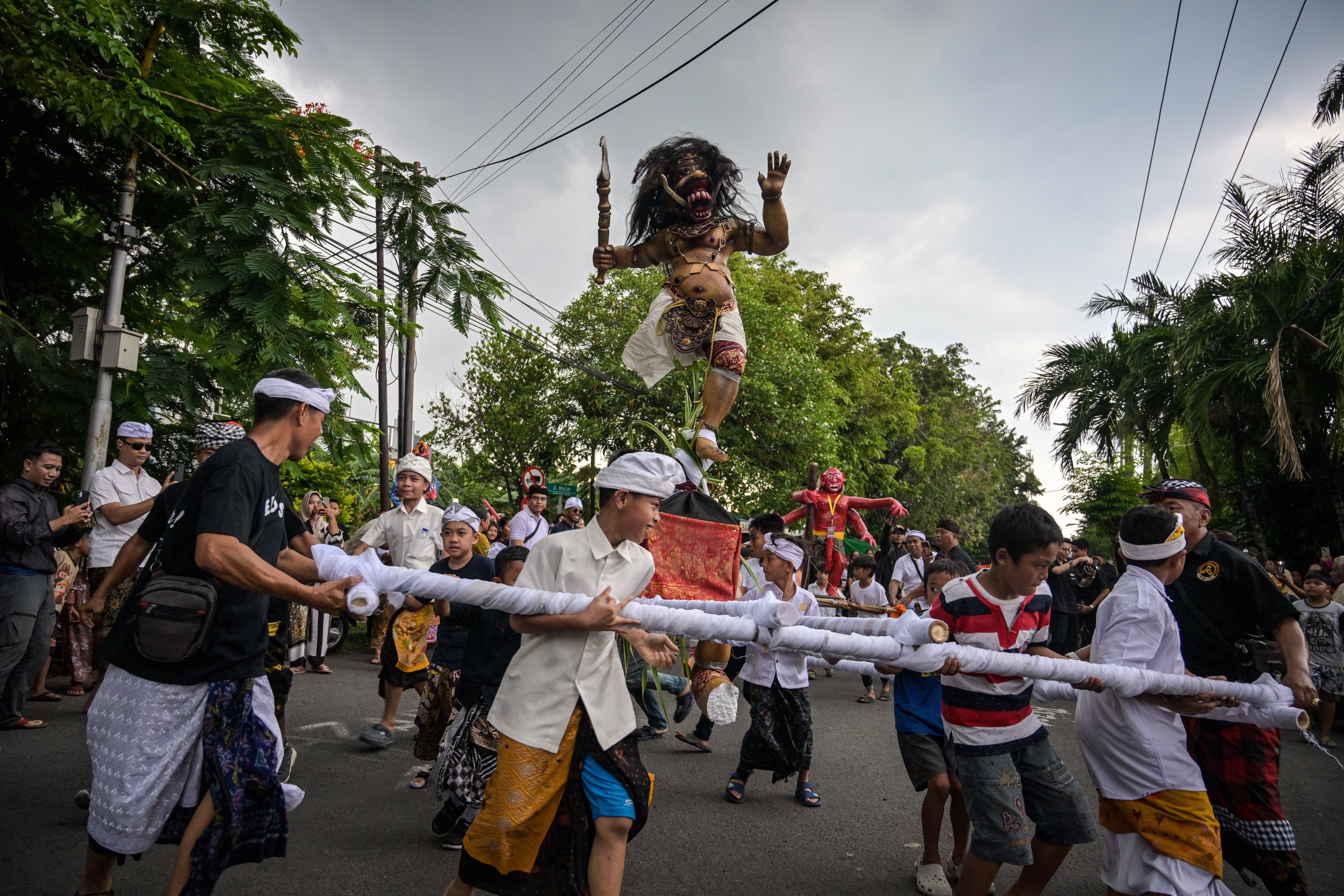
The new year is celebrated as a time of purification, renewal, and reflection.
The six-day observance includes:
- Melasti Ritual, a purification ceremony by the sea, which lasts around three to four days. Locals carry symbols of God to the beach to purify them with holy water.
- Bhuta Yajna & Ogoh-Ogoh Parade, which takes place the night before Nyepi. The Ogoh-Ogoh processions involve locals carrying bamboo or papier-mâché demon effigies through the streets accompanied by gamelan music, chanting, and noise-making to drive away evil spirits. The effigies are often burned at the end of the parade to cleanse the island.
- Nyepi, the day of silence in Bali, when all activity stops.
- Ngembak Agni, the day after Nyepi, when families seek forgiveness and celebrate renewal.
The observance of Nyepi lasts around 24 hours. This year, for example. Bali shut down completely from 6am on 19 March to 6am on 20 March.
In 2027, Nyepi will take place on 8 March, as it always falls on the day after the dark moon of the spring equinox.
What happens during Nyepi?
During Nyepi, local custom requires that all people, including tourists, in Bali observe a day of silence by staying indoors, turning off lights, and making no noise.
Ngurah Rai International Airport, the main airport serving the island of Bali, is closed for the entire day. Most taxis do not operate, and roads are empty. Almost everything is shut, apart from emergency services and hospitals.
All shops, businesses, and restaurants are closed, and internet and mobile service may be restricted. People staying in villas and private holiday lets are advised to stock up on food and essentials before Nyepi.
Hotels remain open, but guests must stay inside, and outdoor lighting, pools and entertainment are usually limited. Some hotels will offer special Nyepi packages with indoor activities and meals for guests.
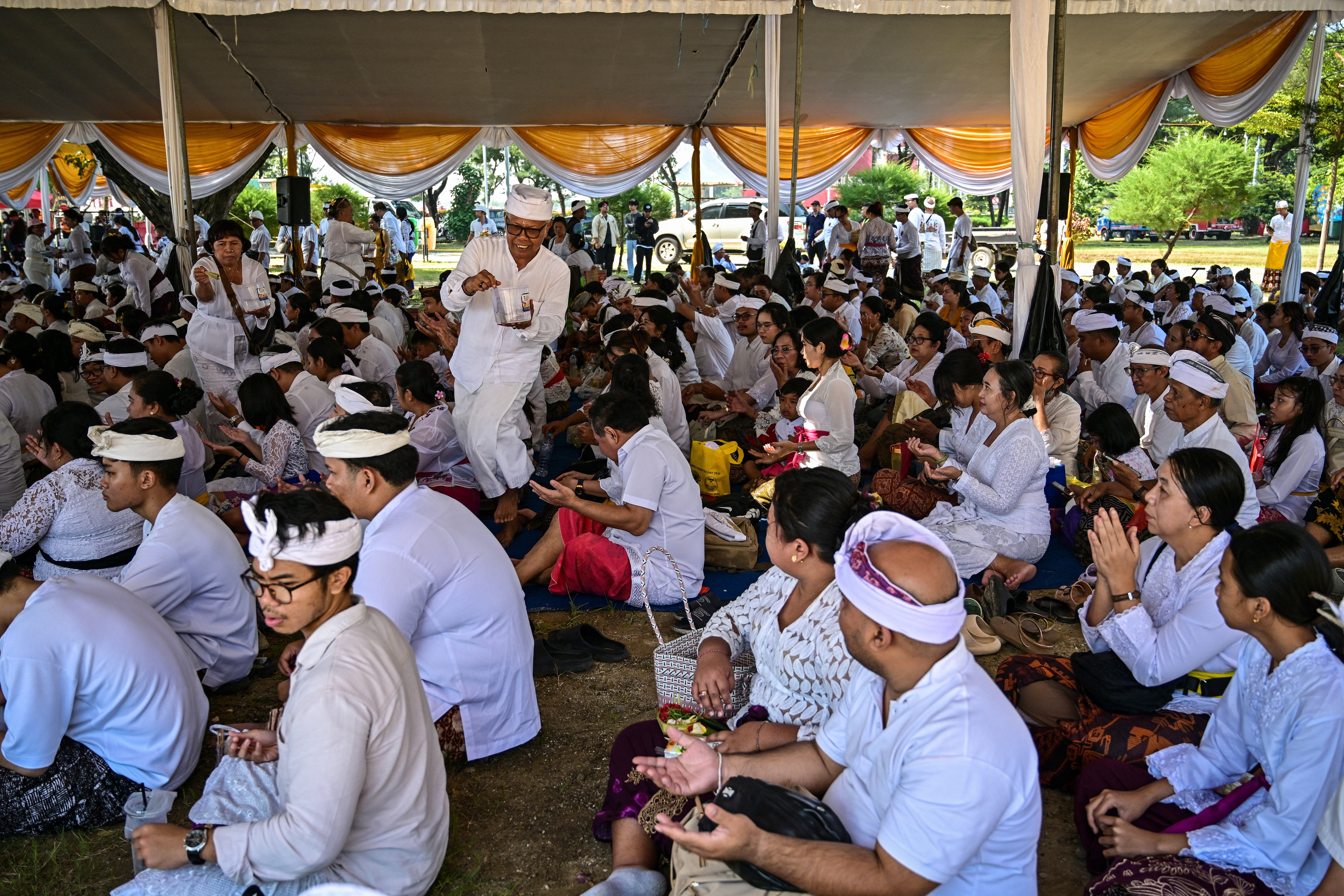
Local security officers known as Pecalang enforce these rules throughout the island. If someone violates the restrictions, such as going outside, making noise or using visible lights, they will be asked to return indoors immediately.
While tourists, both foreign and Indonesian, have previously been detained or deported for going outside during Nyepi, most cases are settled without prosecution.
However, Indonesia has now introduced a new criminal code that took effect in January 2026, which Mr Zgraggen was accused of violating by posting on social media during Nyepi – leading to his conviction in court.
Read more: Popular Mont Blanc hiking trail could require reservations from 2027