


 Africana55 Radio


This website uses cookies so that we can provide you with the best user experience possible. Cookie information is stored in your browser and performs functions such as recognising you when you return to our website and helping our team to understand which sections of the website you find most interesting and useful.

Want to bookmark your favourite articles and stories to read or reference later? Start your Independent Membership today.
Already a member? Log in
Savvy social media users have found a way to put a positive spin on doomscrolling.
It’s called “bloomscrolling,” and the new trend encourages social media users to reclaim agency over their high screen times by seeking out content that is uplifting, educational, calming or simply sparks joy. The budding trend is a response to the rise in “doomscrolling,” defined by mental health experts as a compulsive habit of endlessly swiping or scrolling through distressing or negative posts online — even when we know it upsets us.
Instead of scrolling through a continuous stream of bad news about global conflicts, natural disasters, political upheaval or other negative drama, bloomscrolling encourages social media users to curate their feeds around uplifting, positive content.
“When your feed is full of disasters, conflict and upsetting headlines, your body can respond to that information even though you’re sitting safely on the couch,” Los Angeles-based clinical counselor Cheryl Groskopf told The Independent.

“But when you’re watching something that makes you laugh, feel connected to other people, or experience a little bit of joy, you’re giving your nervous system a chance to feel more safe,” she added.
Groskopf and other mental health experts agree that bloomscrolling can help improve people’s mental health — though it may only be a start.
Bloomscrolling? Or doomscrolling?
Bloomscrolling is the intentional act of consuming positive and inspirational social media content — as opposed to the negative and distressing material associated with doomscrolling.
While both bloomscrolling and doomscrolling involve flipping through social media feeds, they differ drastically.
Doomscrolling is an algorithm-driven and compulsive habit. A person may check the news or social media videos about a current event and become inundated with more distressing content surrounding political conflicts, crises, natural disasters or other alarming events.
A September poll from Hopelab and Data for Progress found that 88 percent of people ages 13 to 24 engage in doomscrolling. Additionally, six out of 10 young people say consuming such negative material makes them anxious, overwhelmed, angry or hopeless.
Mental health experts say that even though people know doomscrolling can leave them upset, anxious or more stressed than before, many refuse to try and break the habit.
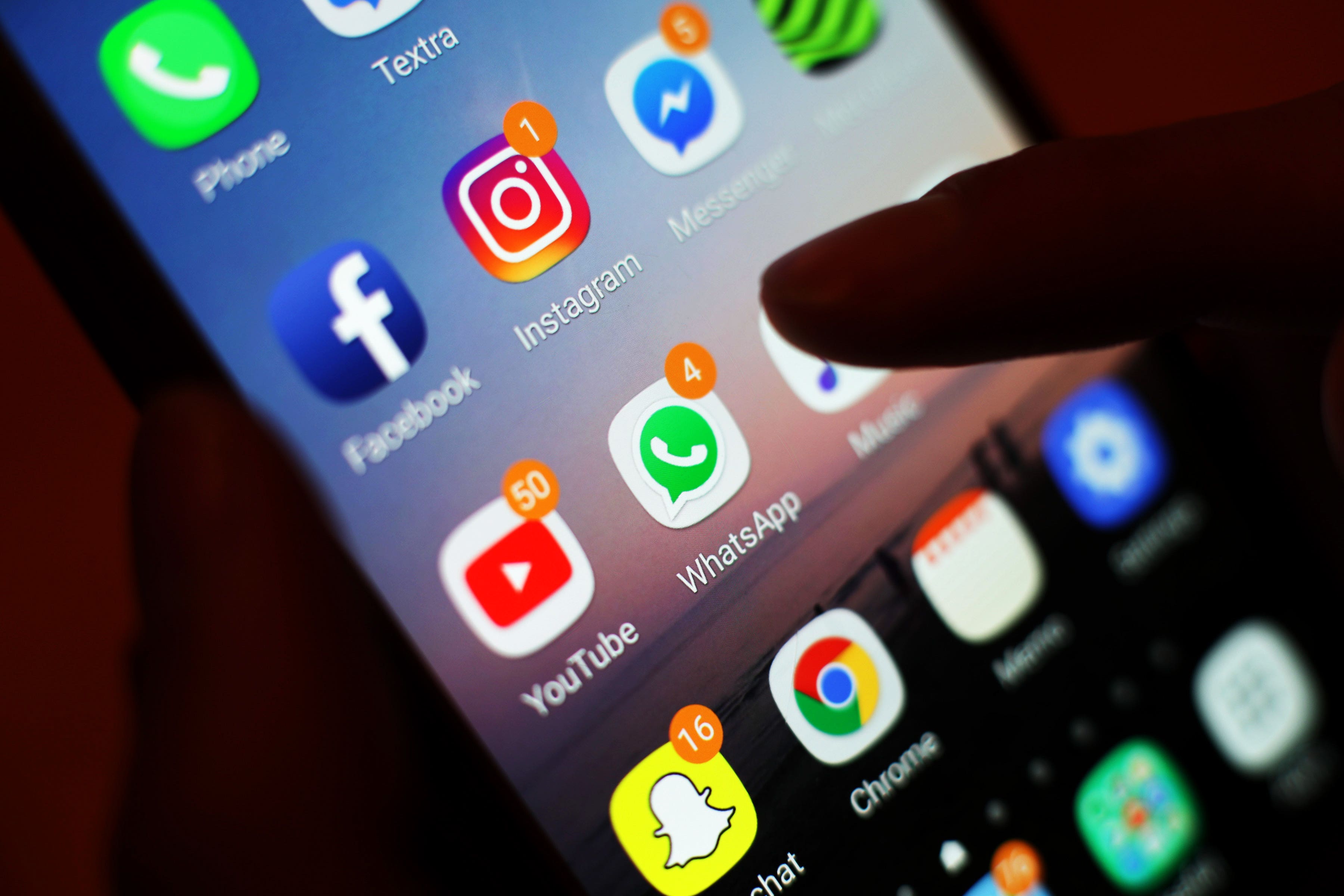
“We get trapped in doomscrolling loops because of an evolutionary survival mechanism known as the ‘negativity bias.’ The human brain is naturally hardwired to identify potential dangers in our environment to keep us safe,” Alanys Chavez, a licensed professional counselor in Colorado, told The Independent.
“In the digital age, this survival instinct is hijacked; we keep scrolling because our brain mistakenly believes that gathering more negative information might help us feel prepared or secure.”
Social media platforms and news websites also utilize engaging algorithms and infinite scrolling to keep users hooked.
The part of the brain that keeps us coming back to doomscroll is “a well-meaning part of you working overtime,” licensed therapist Elizabeth Bodett Dresser told The Independent.
“Add an endless feed with no natural stopping point, and it’s no surprise people get so sucked in. Doomscrolling is usually anxiety trying to feel in control.”
By actually taking control of what we consume through bloomscrolling, we can help regulate our nervous systems, the experts said. The practice can also be helpful for people with anxiety or other pre-existing mental health issues.
“Bloomscrolling can be particularly transformative for those living with generalized anxiety, depression, or high sensory sensitivity. It acts as a form of emotional regulation,” Chavez said.
How do you practice bloomscrolling?
Bloomscrolling is curating social media feeds to promote positive content, whether it be videos of happy babies, adorable puppies or news stories about local heroes.

While the concept sounds easy, it requires people to make a conscious effort to receive more positive content online.
Social media users should engage with the types of posts and videos they want to see more of, and click “not interested” or “mute” otherwise, as well as follow more positive or encouraging accounts.
“Transitioning from doomscrolling to bloomscrolling requires effort. We should treat our social media feeds as curated spaces rather than passive streams,” Chavez said. “This means using the ‘mute’ and ‘unfollow’ buttons for accounts or keywords that trigger anxiety, and actively engaging with content centered around nature, art, hobbies or community triumphs to retrain the algorithm.”
Can bloomscrolling really help?
While bloomscrolling can be a step in the right direction for many Internet addicts, experts say more can be done to help boost mental health in the age of social media.
“Pairing this digital curation with physical boundaries such as keeping the phone out of the bedroom and avoiding social media for the first 30 minutes of the morning creates the circuit breaker our brains need,” Chavez said.
Groskopf and Bodett Dresser added that people should notice what they’re doing and how they’re feeling as they reach for their phones.

“Are you bored, anxious, overwhelmed, or avoiding something you don’t want to deal with? Because if you’re using scrolling to manage an uncomfortable feeling, changing your feed might help, but understanding what keeps bringing you back to your phone matters just as much,” Groskopf said.
Bodett Dresser noted that “a kinder feed is a good start, but not a substitute for actually resting.”
After bloomscrolling, people should “notice how you feel when you put the phone down. If you feel more settled, the feed is working. If you feel numb or behind, this probably isn’t your solution,” she added.
In addition to these tips, experts encourage social media users to give themselves a stopping point when scrolling.
“Even positive content can become another way of disconnecting from yourself if you’re scrolling for hours,” Groskopf warned. “Try to get to a place where you’re choosing what you consume instead of having your emotional state dictated by whatever the algorithm decides to show you next.”