


 Africana55 Radio

This website uses cookies so that we can provide you with the best user experience possible. Cookie information is stored in your browser and performs functions such as recognising you when you return to our website and helping our team to understand which sections of the website you find most interesting and useful.
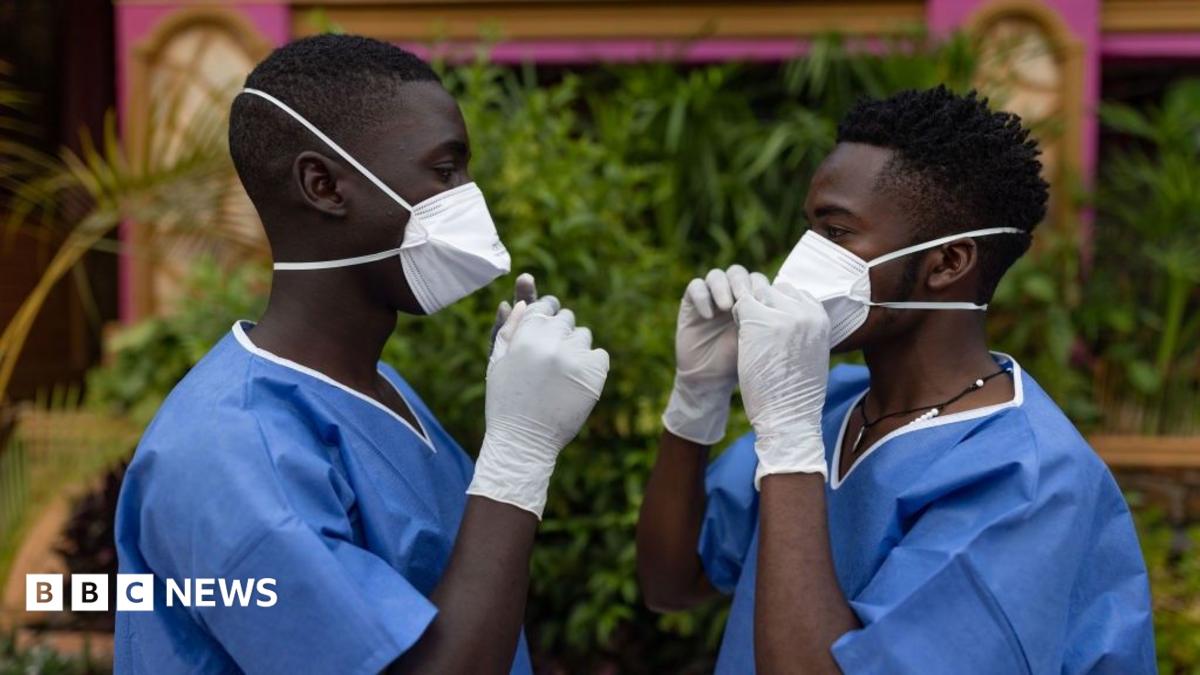
This is not the first time Uganda has impressed with its response to a health crisis.
In the 1990s and 2000s, the country was widely praised for its successful campaign against HIV and Aids, which saw the prevalence of HIV drop from more than 10% to 6% in roughly a decade.
A huge government programme had preached the "ABCs": abstinence, being faithful and condom use.
The co-operation of the community is also critical in preventing infections during an outbreak, Kasujja adds.
"To this day, despite the fact that there are announcements that Uganda has no Ebola patients [members of the public] are still being careful, still taking the necessary precautions," he says.
This co-operation is illustrated by one of its first cases of Ebola, a nurse who contracted the virus while working in an intensive care unit in Kampala.
It was shortly before the outbreak was officially declared, and she had treated a patient who later died - unbeknownst to her - of Ebola. She told the BBC how she started feeling ill two weeks later, battling headaches, joint and muscle pains. Painkillers were not working and a hospital ran various tests including for malaria.
She sought a second opinion and that is when she heard that two colleagues had been diagnosed with Ebola - and she immediately chose to go into isolation.
Like many other patients, she co-operated fully with the guidelines even during the frightening time when her 11-month-old baby, whom she was still breastfeeding, was taken away from her and quarantined for 21 days.
Uganda has since announced it is totally Ebola-free, going against the protocol of waiting 42 days from when the last patient recovers to declare an outbreak over.
The health ministry said it was able to make this announcement because the first case of the virus was imported and there was never any "unexplained community transmission".
But there is also the reality that a long, porous border with Ituri, the Congolese area with most infections, means that the virus could easily reach Uganda again.
Thus, Uganda has sent dozens of healthcare workers to DR Congo to help their "brothers and sisters" tackle Ebola, Uganda's Health Minister Chris Baryomunsi said on X.
"We are going to where the problem is," Kasujja explained. "Uganda cannot win against Ebola if the Democratic Republic of Congo fails."
Uganda has also increased screening at the border and continues to educate the public about measures for prevent or deal with the disease.
"We're always very prepared," Dr Kaggwa said.